
Diseases
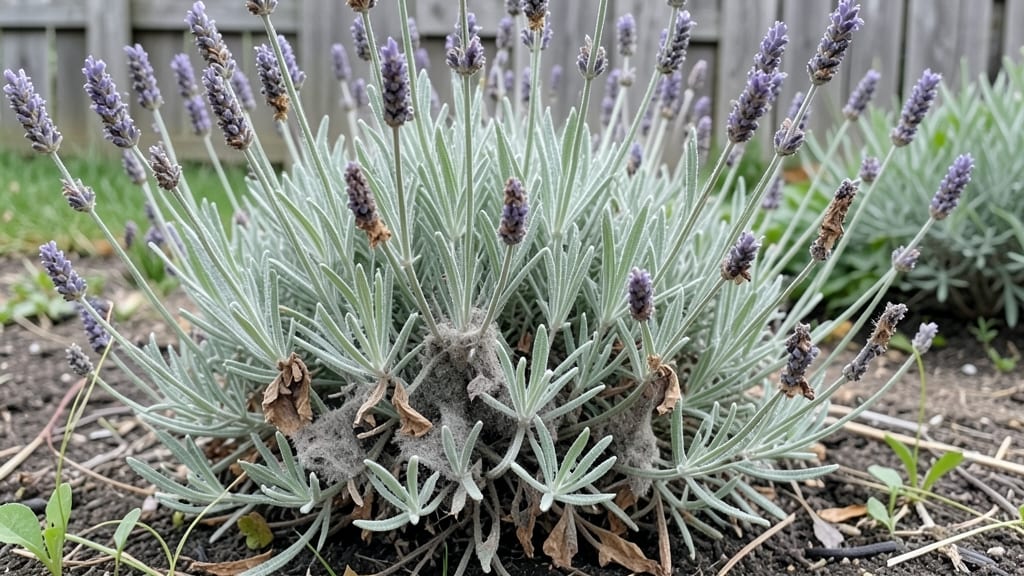
Lavender plant diseases can turn your fragrant garden into a sad, wilted mess if you don’t catch them early. 🌿 I’ve lost entire bushes to root rot and powdery mildew, but I’ve also saved others by spotting symptoms fast—crusty white spots, yellowing leaves, or stems that feel mushy when pressed.
These seven fungal threats are the most common, and knowing their signs means you can act before your plants give up.
The biggest mistake I see is assuming lavender’s drought tolerance makes it disease-proof. Too much moisture—from overwatering or poor drainage—invites root rot and stem rot, while crowded plants trap humidity that fuels powdery mildew.
Even healthy lavender can get hit if the air stays damp for days, especially in humid climates or shaded spots. The good news? Most of these issues respond well to quick fixes once you know what to look for.
You’ll learn how to prune for airflow, when to water (hint: it’s not often), and which organic sprays actually work—like neem oil for mildew or hydrogen peroxide for root rot.
Within days of treatment, you’ll see new green growth pushing through, and your lavender will smell like it should again. The key is acting fast and staying consistent with care.
Whether you’re dealing with a single plant or a whole border, these strategies work for all lavender varieties. The goal isn’t just to save your plants—it’s to keep them thriving so you can enjoy that signature fragrance for years. Let’s get your lavender back on track.
Root Causes Of Lavender Ailments
Lavender’s hardy nature makes it a favorite among gardeners, but even this resilient plant isn’t immune to disease—especially when environmental or cultural factors create the perfect storm for fungal invaders. Understanding why these issues arise helps you take proactive steps to protect your plants.
Below, we break down the most common culprits behind lavender diseases, from soil conditions to seasonal shifts.
Lavender thrives in well-draining soil and hates soggy roots. When water pools around the base of the plant or the soil stays consistently moist, it creates the ideal breeding ground for fungal pathogens like Phytophthora or Fusarium.
These fungi thrive in anaerobic (oxygen-deprived) conditions, weakening the plant’s defenses and leading to root rot or stem collapse.
- Why it happens: Overwatering disrupts the soil’s microbial balance, encouraging harmful fungi while starving beneficial bacteria. Lavender’s native Mediterranean habitat is arid, so its roots aren’t adapted to excess moisture.
- Actionable clue: Check for yellowing leaves, mushy stems, or a foul odor at the base—classic signs of root rot. If the soil feels damp days after watering, drainage is the issue.
- Pro tip: 💡 Amend heavy clay soil with perlite, coarse sand, or gravel to improve aeration. Water only when the top 2 inches of soil are dry.
Lavender diseases like powdery mildew or gray mold (Botrytis) spread rapidly in high-humidity environments. Fungal spores float in the air, landing on lavender foliage where they germinate if conditions are right—warmth (60–80°F), stagnant air, and leaf wetness.
- Why it happens: Lavender’s fuzzy, woolly leaves trap moisture, creating microclimates perfect for fungal growth. Poor air circulation (e.g., overcrowded plants or dense foliage) worsens the problem.
- Actionable clue: Look for white powdery patches (mildew) or gray, fuzzy mold on stems/flowers. Affected areas may turn brown and crispy.
- Pro tip: 🌡️ Space plants 18–24 inches apart for airflow. Water in the early morning so leaves dry by evening. Use a fan on low speed near potted lavender in humid climates.
Lavender is a low-maintenance plant, but it does need the right balance of nutrients. Too much nitrogen (common in fertilizers) promotes soft, lush growth—a fungal magnet—while deficiencies (like potassium or calcium) weaken the plant’s cell walls, making it easier for pathogens to invade.
- Why it happens:
- Excess nitrogen: Encourages rapid, tender growth that’s susceptible to rust or leaf spot.
- Calcium deficiency: Causes blossom end rot-like symptoms in stems, making them prone to cracking and infection.
- Over-fertilizing: Burns roots, reducing the plant’s ability to absorb water and nutrients, leading to stress-related diseases.
- Actionable clue: Yellowing leaves with green veins? Likely nitrogen overload. Brown, crispy edges on stems? Calcium or potassium deficiency.
- Pro tip: ✨ Use a balanced, slow-release fertilizer (e.g., 5-10-10) once in early spring. Lavender prefers poor soil—avoid rich compost. Test soil pH (ideal: 6.0–7.5) to rule out micronutrient issues.
Even minor injuries—like pruning cuts, hail, or insect bites—create entry points for fungi. Botrytis and Alternaria often infect lavender through these wounds, especially if they’re left exposed to moisture.
- Why it happens: Healthy lavender skin acts as a barrier, but cuts or abrasions break this defense. Fungal spores land on wounds and colonize quickly in damp conditions.
- Actionable clue: Check for dark, sunken lesions on stems or leaves, often with a halo of discoloration. Pruning tools may leave jagged edges that heal poorly.
- Pro tip: 🔪 Sterilize pruners with rubbing alcohol between cuts. Prune in dry, sunny weather to allow wounds to dry fast. Avoid heavy pruning in fall (when fungi are most active).
Lavender’s natural resistance weakens during temperature extremes or sudden weather changes. For example, powdery mildew flares up in cool, wet springs, while root rot thrives in hot, humid summers with poor airflow.
- Why it happens:
- Cold snaps: Slow lavender’s metabolism, making it vulnerable to fungal spores already present in the soil.
- Heat stress: Opens stomata (leaf pores) wider, allowing spores to penetrate more easily.
- Frost damage: Kills foliage, leaving dead tissue that fungi like Botrytis can feast on.
- Actionable clue: Sudden leaf drop or blackened stems after a freeze? Likely frost-related stress. Yellowing between veins in summer? Heat + humidity = mildew risk.
- Pro tip: 🎯 Plant lavender in full sun (6+ hours/day) to reduce humidity on leaves. Mulch with gravel (not organic matter) to reflect heat and deter fungal spores. In winter, use burlap wraps to shield young plants from windburn.
By addressing these root causes—drainage, humidity, nutrition, wounds, and climate—you’ll create an environment where lavender stays strong and fungal diseases struggle to take hold. Prevention is key, but if issues arise, early action (like pruning infected stems or adjusting watering) can save your plants!
How to solve it
When your fragrant lavender starts showing signs of distress—whether it’s wilting, discolored leaves, or mysterious spots—acting fast can save your plants. Below are practical, step-by-step solutions tailored to each common fungal threat, plus prevention tips to keep your lavender thriving. Think of this as your lavender plant’s first-aid kit!
Cause: Overwatering or poor drainage turns roots mushy and brown. Fix: 🔥 Step 1: Stop Watering Immediately
- Let the soil dry out completely before watering again. Lavender hates wet feet—it’s a drought-loving plant!
👨🍳 Step 2: Dig Up and Inspect
- Gently remove the plant and check the roots. Healthy roots are firm; rotten ones are soft and black.
🥘 Step 3: Prune and Repot
- Trim away mushy roots with sterilized scissors (wipe with rubbing alcohol between cuts).
- Repot in well-draining soil (mix equal parts potting soil, perlite, and coarse sand) and a container with drainage holes.
⏰ Step 4: Adjust Care
- Water only when the top 2 inches of soil are bone-dry.
- Avoid mulching near the base—lavender needs airflow.
💡 Prevention Tip: Plant in sloped or raised beds to prevent water pooling. If in-ground, ensure the soil is amended with gritty materials like gravel.
Cause: High humidity or crowded plants create the perfect powdery mildew party. Fix: 🔥 Step 1: Isolate the Plant
- Move it to a dry, sunny spot (powdery mildew thrives in shade and dampness).
🍳 Step 2: Wipe It Down
- Use a soft cloth or sponge dipped in a mix of 1 part milk + 9 parts water to gently scrub off the fungus. (Yes, milk works—it contains natural fungicidal properties!)
🥘 Step 3: Spray Fungicide
- Apply a neem oil solution (1 tsp neem oil + 1 quart water + a drop of dish soap) every 7–10 days until the mildew disappears.
🔪 Step 4: Prune for Airflow
- Trim back overcrowded stems to improve circulation.
🌡️ Prevention Tip: Water early in the day so foliage dries quickly. Space plants 12–18 inches apart to reduce humidity buildup.
Cause: Fungal infection at the base (often from splashing water) causes black, oozy stems. Fix: 🔥 Step 1: Remove Infected Stems
- Cut off blackened stems at the base with sterilized pruners. Don’t leave any infected tissue!
👨🍳 Step 2: Disinfect the Plant
- Dip pruners in rubbing alcohol between cuts to prevent spreading.
🥘 Step 3: Apply Fungicide
- Spray the base with a copper fungicide (like Bordeaux mixture) or a baking soda spray (1 tbsp baking soda + 1 quart water + a few drops of soap).
⏰ Step 4: Improve Drainage
- If in-ground, raise the plant with a mound of soil or gravel. If potted, repot in fresh, gritty soil.
💡 Prevention Tip: Water at the base (not overhead) and avoid letting leaves stay wet. Mulch with gravel instead of organic matter.
Cause: Wet foliage or high humidity triggers rust-colored pustules on leaves. Fix: 🔥 Step 1: Remove Severely Infected Leaves
- Snip off leaves with rust spots and dispose of them in the trash (not compost).
🍳 Step 2: Clean the Plant
- Wipe leaves with a damp cloth to remove spores.
🥘 Step 3: Apply Fungicide
- Spray with a sulfur-based fungicide (follow label instructions) or a homemade garlic spray (blend 2 garlic cloves + 1 quart water, strain, and add a drop of soap).
🔪 Step 4: Boost Airflow
- Thin out nearby plants and prune lavender to open the center for better airflow.
✨ Prevention Tip: Water in the morning so leaves dry by evening. Avoid overhead watering—use a drip irrigation system instead.
To keep your lavender disease-free, follow these golden rules: - ✅ Soil: Use fast-draining, alkaline soil (pH 6.5–7.5).
Mix in perlite or sand if needed. - ✅ Watering: Deep but infrequent—water only when soil is completely dry. - ✅ Spacing: Plant 12–18 inches apart to prevent crowding and humidity buildup. - ✅ Pruning: Trim dead or diseased stems immediately with sterilized tools. - ✅ Location: Choose a sunny, windy spot—lavender loves 6+ hours of direct sun and good airflow. - ✅ Monitoring: Inspect plants weekly for early signs of trouble.
Remember: Most lavender diseases are preventable with proper care. Once you spot a problem, act fast and decisively—your fragrant, purple bushes will thank you!
Frequently asked questions about lavender plant diseases
What are the first signs my lavender has a fungal infection?
Look for white powdery spots (powdery mildew), yellowing leaves with green veins (nutrient imbalance), or blackened, mushy stems (root rot). Rust-colored pustules on leaves indicate leaf rust. Check the base of stems for oozy black lesions—a classic sign of stem rot. Act fast if you spot any of these!
Can I save lavender with root rot?
Yes, but you must act immediately! Stop watering, trim away mushy roots, and repot in well-draining soil with perlite or coarse sand. Avoid organic mulch near the base—lavender needs airflow. With proper care, healthy roots can regrow within 4-6 weeks.
Why does my lavender keep getting powdery mildew even after treatment?
Mildew thrives in high humidity and poor airflow. If it keeps returning, check your watering habits (water early in the day), spacing (keep plants 18–24 inches apart), and location (full sun reduces moisture buildup). A neem oil spray every 7–10 days can help break the cycle.
Is it safe to use homemade remedies like milk or garlic spray on lavender?
A 1:9 milk-water mix works great for powdery mildew, and garlic spray (blended garlic + water + soap) fights fungal spores. Both are organic and safe when used as directed. Just avoid overapplying—stick to every 7–10 days to prevent leaf burn.
How can I prevent diseases in potted lavender?
Use fast-draining soil (mix potting soil with perlite), ensure pots have drainage holes, and water only when the top 2 inches are dry. Avoid overhead watering—use a drip irrigation system instead. Place pots in sunny, windy spots and prune for airflow.