
Fertilization
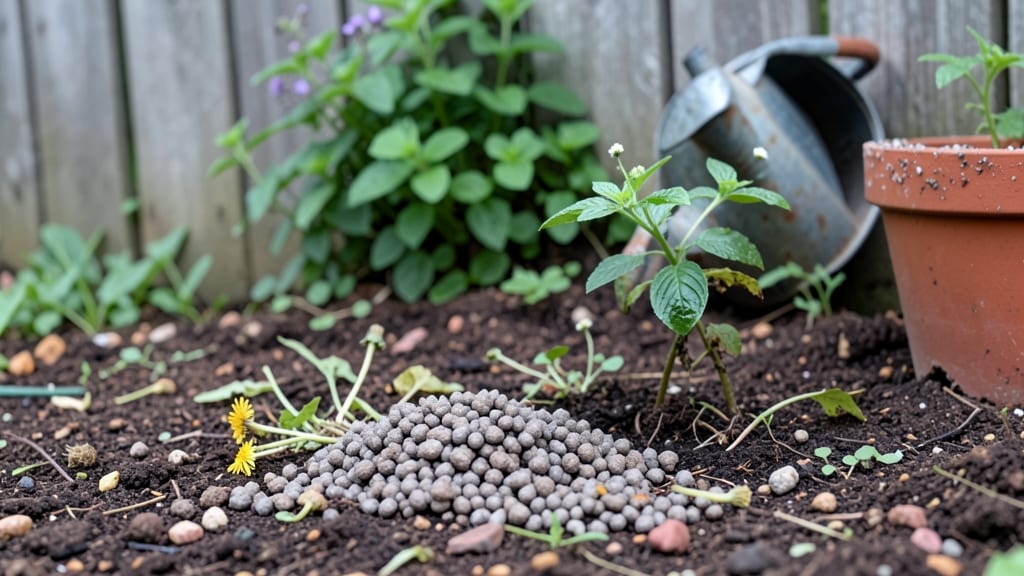
My miracle plant food recipe isn’t just another fertilizer—it’s a soil supercharger that revives wilting plants and fuels explosive growth in just 3-4 weeks.
After years of struggling with nutrient deficiencies in my garden beds, I developed this blend that delivers balanced nutrition without the harsh chemicals of synthetic fertilizers. The secret lies in combining organic matter with targeted micronutrients, creating a slow-release powerhouse that feeds roots deeply while improving soil structure.
Unlike traditional fertilizers that deliver quick but short-lived boosts, this recipe focuses on long-term soil health. It’s perfect for home gardeners dealing with pale leaves, stunted growth, or plants that refuse to thrive despite regular watering.
The blend includes composted materials, kelp meal for trace minerals, and a touch of bone meal for phosphorus—all mixed in a way that mimics natural decomposition. You’ll see stronger stems, richer foliage, and even better flower production without the risk of over-fertilization.
What sets this apart is its versatility—it works for vegetables, flowers, and even houseplants. The organic base means it won’t burn roots like synthetic options, and the texture improves soil aeration, helping plants absorb nutrients more efficiently.
For best results, apply it in early spring or after transplanting, then top-dress lightly every 6-8 weeks. The transformation in your garden will be noticeable within weeks, with plants that look lush, vibrant, and full of energy.
If you’ve been frustrated with underperforming plants or skeptical about organic fertilizers, this recipe proves they can deliver professional-level results at home. The ingredients are easy to source, and the process is straightforward—no guesswork, just science-backed nutrition. Let’s get your garden growing stronger than ever.
The Science Behind Plant Hunger
Plants don’t just want to grow—they need the right fuel to thrive, and sometimes, even the best "miracle" plant foods fall short if key factors aren’t aligned.
Understanding why your plants struggle to absorb nutrients (or why they seem starved despite feeding) boils down to three core issues: soil chemistry mismatches, nutrient availability gaps, and plant physiology roadblocks. Let’s break down the real culprits—so you can fix them fast.
🌡️ Why it happens: Soil pH acts like a gatekeeper for nutrients. Most plants crave a slightly acidic to neutral range (6.0–7.0), but even minor shifts—like pH 5.0 (too acidic) or pH 8.0 (too alkaline)—can lock out critical minerals.
- Too acidic (low pH <5.5)?
- Phosphorus, calcium, and magnesium bind to aluminum/iron oxides, becoming unavailable to roots.
- Example: Tomatoes in acidic soil may show purple stems (phosphorus deficiency) even if you’ve added "miracle" fertilizers.
- Fix: Test your soil (home kits work!) and amend with lime (to raise pH) or sulfur (to lower pH).
- Too alkaline (high pH >7.5)?
- Iron, manganese, and zinc precipitate as insoluble compounds, starving plants of chlorophyll (leading to yellowing leaves).
- Example: Blueberries (which love pH 4.5–5.5) in alkaline soil will wilts and drop buds despite fertilizer.
- Fix: Add elemental sulfur, peat moss, or pine needles to acidify gradually.
💡 Pro Tip: Use a soil test kit before applying any "miracle" plant food—wasting expensive blends on pH-mismatched soil is like putting gas in a diesel engine.
🔒 Why it happens: Even if your plant food is nutrient-rich, soil minerals can "steal" them before roots get a chance.
This happens when: - High organic matter (like compost) ties up nitrogen temporarily, causing stunted growth (even with fertilizer). - Clay soils hold nutrients too tightly, making them inaccessible to roots. - Competing microbes (like fungi) outcompete plants for phosphorus.
📊 Key offenders:
| Nutrient | Common Lockout Cause | Symptom |
|---|---|---|
| Nitrogen | Organic matter breakdown | Yellow lower leaves (older first) |
| Phosphorus | Iron/aluminum binding | Dark green leaves, weak stems |
| Potassium | Leaching in sandy soil | Weak stems, poor fruit set |
| Calcium | High sodium levels | Blossom end rot (tomatoes) |
🔥 Fix It:
- For clay soils: Add gypsum (calcium sulfate) to break mineral bonds.
- For sandy soils: Use slow-release fertilizers (like worm castings) to prevent leaching.
- For microbial competition: Apply mycorrhizal fungi to help roots "steal back" nutrients.
👣 Why it happens: Plants absorb 90% of nutrients through root hairs—but if roots are stressed, damaged, or poorly structured, they can’t utilize even the best plant food.
Common triggers: - Compacted soil (from foot traffic or machinery) crushes roots, reducing surface area for absorption. - Waterlogging (overwatering) drowns roots, cutting off oxygen needed for nutrient uptake. - Root diseases (like root rot or nematodes) block nutrient transport entirely.
🚨 Red Flags:
- Wilting despite wet soil → Root rot or compacted roots.
- Stunted growth with dark, mushy roots → Anaerobic (oxygen-starved) roots.
- Yellowing between leaf veins → Iron/zinc deficiency from poor root function.
✨ Solutions:
- Aerate soil with a garden fork or add perlite/compost to loosen clay.
- Improve drainage by raising beds or adding coarse sand.
- Use beneficial microbes (like Trichoderma fungi) to repair damaged roots.
⏳ Why it happens: Plants have different hunger levels at each growth stage—and feeding them the "wrong" nutrients at the wrong time can backfire.
- Seedlings: Need high nitrogen (N) for leaves but low phosphorus (P) can stunt roots.
- Flowering/Fruiting: Demand more phosphorus (P) and potassium (K) for blooms and harvests.
- Stressed plants (heat/drought): Can’t absorb nutrients efficiently, even with fertilizer.
🎯 Actionable Fixes:
- Follow a feeding schedule (e.g., high N early, balanced NPK mid-season, high K late).
- Use foliar sprays (like seaweed extract) for fast nutrient delivery when roots are sluggish.
- Avoid over-fertilizing—excess salts (from synthetic blends) can burn roots, worsening uptake issues.
Quick Fixes for Stunted Plant Growth
When your plants aren’t responding to your miracle plant food as expected, it’s time to diagnose and act fast. Below are practical, step-by-step solutions tailored to common issues—plus prevention tips to keep your garden thriving long-term. 🌱⚡
Signs: Yellowing leaves, soggy soil, mold, or roots sitting in water. Fix:
- Stop Watering Immediately – Let the soil dry out completely before resuming.
- Improve Drainage – Mix in perlite, sand, or coconut coir to aerate compacted soil.
- Repot if Needed – If roots are rotting, transfer to a pot with drainage holes and fresh, well-draining mix.
- Adjust Watering – Water only when the top 1–2 inches of soil are dry (use your finger to test!).
Prevention Tip: 💡 Use a moisture meter or stick your finger in the soil—don’t guess! Overwatering is the #1 killer of plants.
Signs: Crispy leaf edges, brown spots, or stunted growth despite feeding. Fix:
- Flush the Soil – Water thoroughly for 10–15 minutes to leach excess salts.
- Hold Off on Fertilizer – Wait 2–4 weeks before reapplying miracle plant food or any high-nitrogen feed.
- Use Chelated Nutrients – Switch to a balanced, slow-release fertilizer (like fish emulsion or worm castings) to avoid shock.
- Test Your Water – Hard water can worsen burn—consider distilled or rainwater for sensitive plants.
Prevention Tip: ⏳ Follow the "less is more" rule: Always dilute liquid fertilizers to half-strength unless the label says otherwise.
Signs: Dry, brittle leaves, slow growth, or pale yellowing (chlorosis). Fix:
- Water Deeply & Consistently – Aim for 1 inch of water per week (more in heatwaves).
- Boost Nutrients Gently – Mix 1 tsp of miracle plant food per gallon of water and apply every 2 weeks.
- Add Organic Matter – Work in compost or aged manure to replenish microbes and micronutrients.
- Check pH Levels – Most plants thrive at 6.0–7.0; adjust with lime (to raise) or sulfur (to lower).
Prevention Tip: 🌡️ Group plants with similar water needs together—succulents hate soggy soil, while tropicals need humidity!
Signs: Holes in leaves, sticky residue (aphids), wilting, or fungal spots. Fix:
- Isolate the Plant – Prevent spread to healthy greens.
- Natural Pesticides – Spray with neem oil (1 tbsp per quart of water) or insecticidal soap.
- Remove Damaged Parts – Snip off infected leaves with sterilized scissors.
- Improve Airflow – Space plants apart and prune for better circulation (fungus loves humidity!).
Prevention Tip: ✨ Encourage beneficial insects like ladybugs—plant marigolds or basil nearby as pest deterrents!
Signs: Wilting in heat, frost damage, or sudden growth stops. Fix:
- Shade Cloth for Heat – Use 30–50% shade fabric during intense sun.
- Mulch Heavily – Retain moisture with 2–3 inches of straw or wood chips.
- Windbreaks – Protect delicate plants with burlap screens or nearby structures.
- Cold Hardening – Gradually acclimate plants to cooler temps (e.g., move pots indoors at night if frost is forecast).
Prevention Tip: 📊 Monitor local weather forecasts and adjust care 3–5 days in advance.
Signs: Roots circling the pot, water pooling, or roots breaking when repotted. Fix:
- Loosen the Soil – Gently fork or aerate the top 6 inches of garden beds.
- Amend the Mix – Blend in compost, perlite, and vermiculite (50/30/20 ratio).
- Repot if Rootbound – Move to a container 2–3 inches larger with fresh potting soil.
- Add Worm Castings – Boosts soil structure and microbial activity naturally.
Prevention Tip: 💪 Avoid walking on garden beds—compacted soil suffocates roots!
If nothing works, start fresh with these steps:
- Remove the Plant – Gently tease roots to check for rot or pests.
- Sterilize the Pot – Scrub with soap and water, then rinse with hydrogen peroxide (1:10 ratio).
- Repot in Fresh Soil – Use a lightweight, nutrient-rich mix (e.g., 60% potting soil + 30% perlite + 10% compost).
- Adjust Care Routine – Track water, light, and feeding like a scientist!
Pro Tip: 🎯 Keep a garden journal—note what you change and how the plant responds!
Remember: Patience is key—some plants bounce back in weeks, while others need months. With these fixes, your miracle plant food will work its magic in no time! 🚀🌿
Frequently asked questions
What makes this plant food different from regular organic fertilizers?
This blend focuses on slow-release nutrition with a balanced ratio of nitrogen, phosphorus, and potassium, plus micronutrients like iron and zinc. Unlike generic organic fertilizers, it includes kelp meal for growth hormones and bone meal for phosphorus, which promotes root development and flowering. The organic matter also improves soil structure, helping roots absorb nutrients more efficiently.
Can I use this for houseplants or just outdoor plants?
This formula works for both indoor and outdoor plants. For houseplants, mix 1 teaspoon per gallon of water and apply every 6-8 weeks. The organic base is gentle enough for sensitive plants like ferns or orchids, while the nutrients help revive struggling greens. Just avoid overwatering—houseplants need less frequent feeding than garden beds.
How do I know if my plants need this plant food?
Watch for these signs: yellowing leaves, stunted growth, or weak stems. If your plants look pale, have slow growth despite regular watering, or show purple stems (phosphorus deficiency), they’re likely nutrient-deficient. A simple soil test can confirm—most plants thrive with a pH of 6.0–7.0. This blend is ideal for reviving wilting plants or maintaining healthy growth in established gardens.
Will this burn my plants if I use too much?
No, this organic blend is low-risk for burning compared to synthetic fertilizers. However, always follow the 1 tsp per gallon of water ratio for liquid applications. Overuse can lead to salt buildup in soil, so flush the soil occasionally with plain water. For dry mixes, spread a thin layer (¼ inch) on topsoil and water lightly to activate nutrients.
How long until I see results?
Most gardeners notice improved growth within 3-4 weeks, with lusher foliage and stronger stems. For severely deficient plants, results may take 6-8 weeks as roots recover. The key is consistency—apply every 6-8 weeks during the growing season (spring to fall) for best results. Houseplants may show quicker responses due to their smaller root systems.