
Diseases
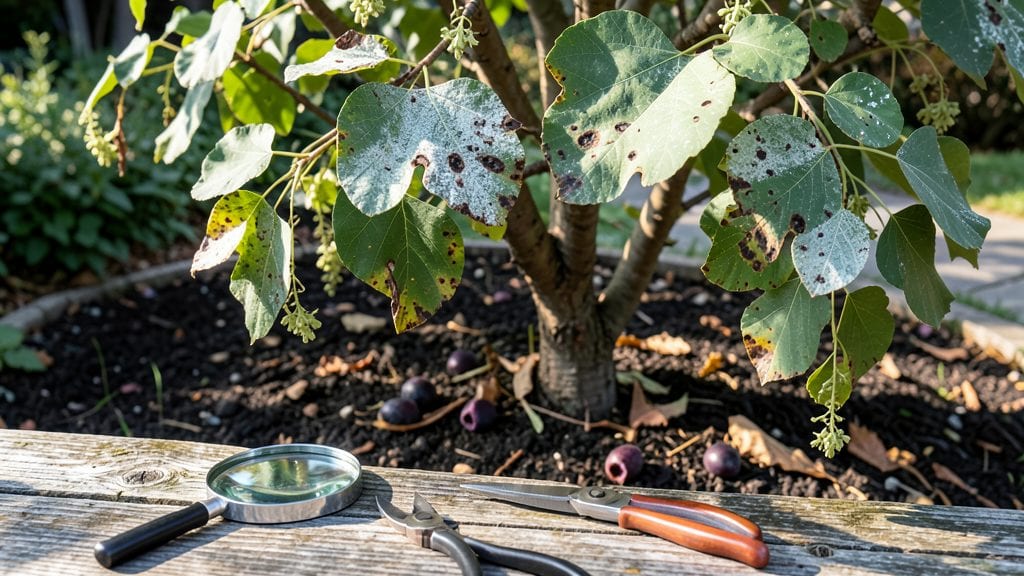
Mulberry plants look thriving one day and wilted the next—here’s how to spot diseases before they ruin your harvest. 🌿 I’ve watched my own mulberries go from lush canopies to sad, spotted leaves, and I’ll save you the heartache by showing you the early warning signs and what to do next.
The biggest culprits are fungal infections like anthracnose and powdery mildew, which love damp leaves and crowded branches. Bacterial leaf spot can also creep in, turning your fruit into an unsightly mess.
The good news? Most of these issues can be stopped with proper pruning, fungicide sprays, and keeping your plants well-aerated.
You’ll learn to recognize the first signs—yellowing leaves, strange spots, or sticky residue—and how to treat them before they spread. With the right care, your mulberries will stay healthy and productive for years, giving you those sweet, juicy berries without the stress.
Whether you’re dealing with a new infection or just want to prevent problems, this guide covers everything from organic sprays to when to call in a pro. Let’s get those plants back in top shape!
Root causes behind mulberry struggles
Mulberry trees, while hardy, are not immune to diseases that can stunt growth, reduce yields, or even kill the plant. Understanding why these issues arise is the first step to prevention.
Below, we break down the key factors that create the perfect storm for mulberry plant diseases—so you can nip them in the bud before they spread.
Fungal diseases like anthracnose, powdery mildew, and root rot thrive when mulberry trees are stressed by excess moisture and warm temperatures. Here’s why:
- High humidity (70%+): Fungi release spores that cling to leaves, stems, and fruit. When humidity lingers, these spores germinate and infect the plant. Think of it like a damp sponge—ideal for fungal growth! 🍄
- Poor air circulation: Dense foliage or overcrowded trees trap moisture, creating microclimates where fungi flourish. Fungal spores need just a few hours of wetness to take hold.
- Warm, stagnant air: Temperatures between 75°F and 85°F (24°C–29°C) accelerate fungal metabolism. If your mulberry is in a low-lying area or shaded spot, heat and humidity combine to create a disease hotspot.
Actionable fix: Prune for airflow, avoid overhead watering, and consider resistant mulberry varieties like Morus alba if fungal diseases are recurrent.
Mulberry trees are drought-tolerant, but too much or too little water disrupts their natural defenses, making them susceptible to diseases like verticillium wilt or phytophthora root rot. Here’s how it happens:
- Waterlogged soil: Poor drainage leads to anaerobic conditions (lack of oxygen), weakening roots and inviting soil-borne pathogens. Roots suffocate, and fungi move in to feast on the weakened tissue. 💀
- Salinity or nutrient imbalance: Over-fertilization (especially with nitrogen) or compacted soil stresses the plant, reducing its ability to fight off infections. A mulberry tree struggling to absorb water is like a soldier without armor—vulnerable to attacks.
- Improper irrigation: Drip irrigation is ideal, but sprinklers can splash soil onto leaves, spreading fungal spores directly onto the plant’s surface.
Actionable fix: Test soil pH (ideal range: 6.0–7.0), improve drainage with organic matter, and water at the base—not the leaves.
Insects like mulberry pyralid moths, scale insects, or even birds pecking at fruit create entry points for diseases. Here’s the science:
- Physical damage: Chewed leaves or bark expose the plant to bacterial or fungal invaders. A single wound can turn into a portal for bacterial blight or canker diseases.
- Sap-feeding insects: Pests like aphids or mealybugs excrete honeydew, a sticky residue that fosters sooty mold—a fungal growth that blocks sunlight and weakens the tree.
- Viral vectors: Some insects (like leafhoppers) transmit mulberry mosaic virus from infected to healthy plants, causing stunted growth and deformed fruit.
Actionable fix: Monitor for pests weekly, use neem oil or horticultural oil for prevention, and remove heavily infested leaves immediately.
Even the best mulberry trees can fall prey to diseases caused by gardener mistakes. Common oversights include:
- Over-pruning: Removing too many branches weakens the tree’s immune response, making it easier for pathogens to take hold. Rule of thumb: Never remove more than 25% of the canopy in one season.
- Reusing contaminated tools: Pruners or knives carrying bacterial or fungal spores can spread disease from one cut to the next. Always sanitize tools with 70% rubbing alcohol or bleach.
- Ignoring fallen debris: Leaves, fruit, or branches left on the ground harbor spores and reinfect the tree. Mulch only with sterilized materials and keep the base of the tree clear.
- Planting too closely: Overcrowded mulberry trees compete for nutrients and airflow, creating the perfect conditions for powdery mildew or rust diseases.
Actionable fix: Follow a seasonal pruning schedule, disinfect tools after each use, and practice crop rotation if growing mulberries in a small garden.
By addressing these root causes—humidity, soil health, pest pressure, and gardening habits—you’ll create an environment where mulberry trees thrive instead of succumb to disease. Prevention is always easier (and cheaper!) than treatment. 🌱💪
Fixing mulberry plant troubles
When mulberry plants show signs of distress, acting fast can save your harvest—and your trees. Below are practical, step-by-step solutions tailored to each common disease, plus prevention tips to keep your plants thriving. Think of this as your mulberry plant first-aid kit!
Problem: Soft, mushy roots + yellowing leaves = root rot (often from overwatering or poor drainage). How to Fix It:🔥 Step 1: Drain the Damage
- Stop watering immediately—let the soil dry out for 3–5 days to halt fungal spread.
- If potted, move the plant to a well-draining container with fresh, sterile potting mix (add perlite or sand for aeration).
🍳 Step 2: Prune & Clean
- Trim away blackened or mushy roots with sterilized scissors (rubbing alcohol works).
- Snip off yellow or wilted leaves to redirect energy to recovery.
👨🍳 Step 3: Fungal Fighter Spray
- Mix 1 tbsp hydrogen peroxide (3%) + 1 quart water in a spray bottle. Apply to roots and soil every 3 days for 2 weeks.
- For severe cases: Use a copper fungicide (follow label rates) as a last resort.
💡 Prevention Pro Tips:
- ✅ Test your soil’s drainage: Dig a hole, fill it with water—if it doesn’t drain in 30 mins, amend with compost or gravel.
- ✅ Water at the base, not overhead, to avoid fungal spores splashing onto leaves.
- ✅ Mulch wisely: Use straw or wood chips (not thick layers), keeping them 2–3 inches away from the trunk.
🔪 Step 1: Wipe & Remove
- Gently wipe leaves with a damp cloth dipped in 1 tsp baking soda + 1 quart water + a drop of dish soap (soak for 10 mins, then rinse).
- Prune heavily infected branches and dispose of them off-site (don’t compost!).
🌡️ Step 2: Boost Airflow
- Thin out overcrowded branches to improve sunlight and airflow.
- If growing in containers, space pots 12+ inches apart.
🎯 Step 3: Natural Fungicide Spray
- Spray leaves every 7–10 days with:
- Neem oil mix: 1 tbsp neem oil + 1 tsp mild soap + 1 quart water.
- Milk spray: 1 part milk + 9 parts water (yes, it works—spray at dawn/dusk).
💡 Prevention Pro Tips:
- ✅ Water early (before 10 AM) so leaves dry quickly.
- ✅ Avoid nitrogen-heavy fertilizers—they promote lush growth (mildew’s favorite snack).
- ✅ Rotate pruning tools between plants to prevent cross-contamination.
🍳 Step 1: Sterilize & Prune
- Remove all infected leaves/fruit and burn or trash them immediately.
- Sterilize pruners with bleach water (1:10 ratio) between cuts.
🔥 Step 2: Copper or Sulfur Spray
- Apply a copper fungicide (e.g., Bordeaux mixture) or sulfur spray (follow label) every 10–14 days during rainy seasons.
- For organic growers: Use baking soda spray (1 tbsp + 1 tsp oil + 1 gallon water) weekly.
⏰ Step 3: Adjust Care
- Water at the soil level (avoid wetting leaves).
- Space plants 3–4 feet apart for better airflow.
💡 Prevention Pro Tips:
- ✅ Plant mulberries in full sun (6+ hours daily)—less humidity = fewer spores.
- ✅ Clean up fallen leaves regularly (they harbor spores!).
- ✅ Choose resistant varieties like Illinois Everbearing if anthracnose is rampant in your area.
For all mulberry plant diseases, these universal tips help prevent future outbreaks:
- 🌡️ Monitor soil pH: Mulberries prefer 6.0–7.0. Test yearly and amend with lime (to raise) or sulfur (to lower).
- 🍃 Rotate crops: If growing mulberries in a garden bed, don’t replant them in the same spot for 3+ years.
- 🔍 Inspect new plants: Quarantine any new mulberry trees for 2 weeks before planting.
- 🌱 Strengthen roots: Feed with compost tea or fish emulsion in early spring to boost immunity.
Remember: The key to beating mulberry diseases is early action + prevention. Once you spot the first signs, treat aggressively, and soon your plants will be back to producing those sweet, juicy berries! 🍇
Frequently asked questions
What are the first signs of mulberry plant infection?
Watch for yellowing leaves, white powdery patches (powdery mildew), or dark spots with yellow halos (anthracnose). Early symptoms also include stunted growth, wilting branches, or sticky residue (honeydew from pests). Act immediately when you see these—delaying treatment lets diseases spread faster.
Can I save a mulberry tree with root rot?
Yes, but you must act fast! Stop watering, remove mushy roots, and repot in well-draining soil with perlite. Spray roots with hydrogen peroxide (3%) every 3 days for 2 weeks. Severe cases may need copper fungicide, but recovery takes patience—expect new growth in 4-6 weeks if the root system isn’t fully compromised.
Why does my mulberry keep getting powdery mildew?
This fungus thrives in humid, shady conditions and loves crowded foliage. Prune for better airflow, water early in the day (before 10 AM), and avoid nitrogen-heavy fertilizers (they encourage lush growth mildew adores). A weekly spray of neem oil or milk-water mix (1:9 ratio) keeps it at bay.
Is it safe to eat mulberries from a diseased plant?
Not always. If fruit shows dark lesions (anthracnose) or blackened spots (bacterial blight), discard it immediately. For powdery mildew, wash fruit thoroughly in soapy water before eating. When in doubt, remove infected fruit before harvest—prevention is easier than treating contaminated berries.
How often should I inspect my mulberry trees for diseases?
Check your trees weekly during growing season (spring-fall) and biweekly in winter. Focus on new leaves, fruit clusters, and stem junctions where diseases often start. Early detection means less damage—spend just 5 minutes per tree to catch problems before they spread.