
Watering
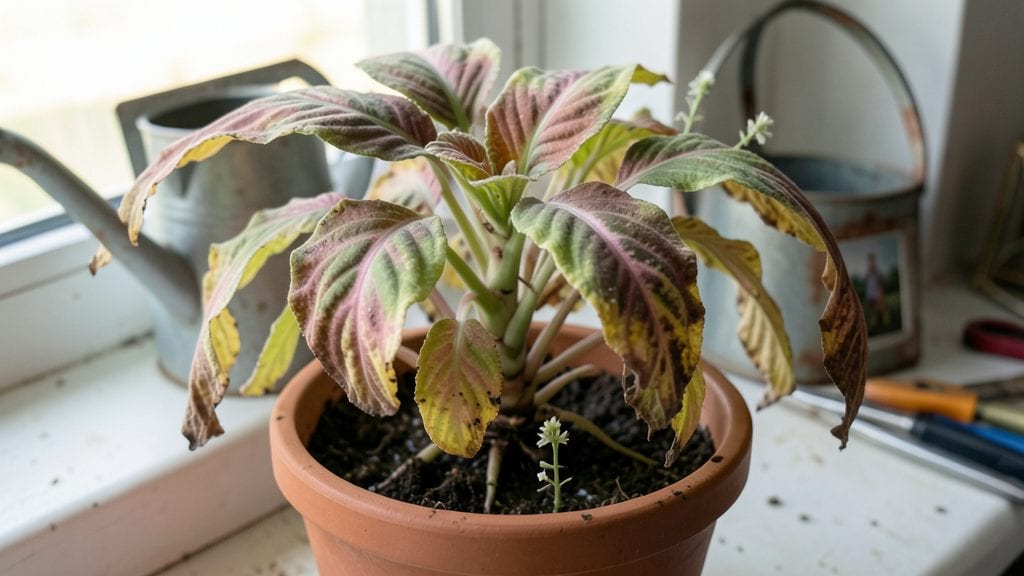
An overwatered coleus plant looks like a sad, soggy mess—yellowing leaves, limp stems, and roots that can’t breathe. 🌱 I’ve drowned more coleus than I’d like to admit, but here’s the good news: with the right fix, you can bring it back to its vibrant, velvety glory in just days.
The key is acting fast before root rot sets in.
Most people think wilting means the plant needs more water, but coleus actually thrives on consistency—not excess. The moment you notice leaves turning yellow or stems feeling mushy, it’s time to stop watering entirely and let the soil dry out completely.
This plant loves moisture, but its roots need air too—think of it like a sponge that’s been squeezed too hard.
By the end of the first 48 hours, you’ll see the plant perk up as the roots recover. Within a week, new growth will emerge, and those stunning patterned leaves will bounce back.
The trick is adjusting your watering routine: check soil moisture with your finger before watering again—if the top inch feels damp, wait another day.
This works for both potted coleus and those growing in garden beds. Once you’ve revived it, keep a closer eye on drainage and watering habits—coleus is forgiving, but it won’t forgive soggy soil for long. Here’s how to keep it thriving after the rescue.
Common Causes Of Soggy Soil
When your vibrant coleus starts looking more like a sad, waterlogged sponge than its usual lush self, the issue often boils down to a few key mistakes. Understanding why this happens is the first step to saving your plant—and avoiding future mishaps.
Let’s break down the most common culprits behind an overwatered coleus, so you can address them with confidence.
One of the biggest mistakes gardeners make is watering on a schedule rather than by need. Coleus plants thrive in well-draining soil, but when you water too frequently—or give them too much at once—they can’t dry out fast enough. This leads to:
- Root suffocation: Oxygen is pushed out of the soil, forcing roots to struggle for air. Without proper aeration, roots rot and can’t absorb nutrients.
- Fungal growth: Excess moisture creates the perfect breeding ground for Pythium and other soil-borne fungi, which attack roots and leaves.
- Nutrient leaching: Waterlogged soil washes away essential minerals like nitrogen and potassium, starving the plant even as it sits in "drinkable" conditions.
Pro tip: 💡 Stick your finger 1-2 inches into the soil before watering. If it’s damp, wait. If it’s bone-dry, it’s likely time—but check the pot’s drainage first!
Not all containers are created equal. If your coleus is planted in a pot without drainage holes or one that’s too small, water has nowhere to go but upward—straight to the roots. Here’s how this plays out:
- Stagnant water: Without escape routes, excess water pools at the bottom, creating a permanent swamp for the roots.
- Compacted soil: Small pots or heavy soil (like clay) can’t absorb water efficiently, trapping it near the roots.
- Trapped salts: Over time, minerals from tap water or fertilizers build up in the soil, making it harder for roots to absorb moisture—even when the plant looks thirsty.
Fix it fast: ✨ If your pot lacks holes, repot your coleus into one with drainage immediately. For temporary fixes, add a layer of perlite or coarse sand to the bottom before replanting.
Coleus plants love fast-draining, airy soil, but many gardeners unknowingly use mixes that hold onto water like a sponge. Heavy, clay-based soils or those packed with peat (without amendments) are notorious for drowning roots. Signs your soil is the problem:
- Slow evaporation: Water sits on top of the soil for hours instead of sinking in.
- Gummy, mushy roots: When you gently remove the plant, roots look slimy or blackened—a red flag for rot.
- Yellowing leaves: Even with regular watering, leaves turn pale or drop because roots can’t function.
DIY fix: 🌡️ Mix your potting soil with 20-30% perlite, vermiculite, or orchid bark to improve aeration. For indoor coleus, a 50/50 blend of potting mix and coco coir works wonders.
Coleus plants are tropical, but they hate being kept in conditions that mimic a rainforest 24/7. High humidity combined with cool temperatures (below 60°F) slows evaporation, making the soil stay soggy longer. Here’s the science:
- Reduced transpiration: In humid air, leaves lose water slowly, so the plant doesn’t signal thirst as clearly.
- Fungal spores thrive: Cool, damp conditions give Botrytis (gray mold) and Rhizoctonia the upper hand, attacking weak roots.
- Root stress: Roots in cold soil can’t absorb oxygen efficiently, leading to anaerobic conditions—a root’s worst nightmare.
Adjust your environment: 🎯 Keep coleus in bright, indirect light (like an east-facing window) and maintain temps between 70-80°F. Use a fan on low to stir the air around the plant if humidity exceeds 60%.
Now that you know the real reasons your coleus is drowning, you’re ready to turn things around. The good news? Most overwatered plants can bounce back with the right care—we’ll show you how in the next section!
Revive Your Coleus Quickly
Now that you know the signs and causes of an overwatered coleus, it’s time to take action! The good news? Coleus plants are resilient, and with the right steps, you can nurse them back to health.
Below is a cause-to-fix guide to help you diagnose and treat your plant’s woes—plus tips to keep it thriving long-term.
Cause: Soggy soil and poor drainage suffocate roots, leading to rot and nutrient loss.
How to Fix It:
- 🌱 Remove the Plant Gently Carefully lift the coleus from its pot to inspect the roots. Healthy roots are firm and white; mushy, brown, or black roots are rotten.
- ✂️ Trim the Damage Use sterilized scissors to snip off any blackened or soft roots. Prune back yellow or wilted leaves to redirect energy to recovery.
- 🧼 Sanitize & Repot
- Rinse the remaining roots with room-temperature water to remove excess soil.
- Dip the roots in a 1:10 hydrogen peroxide solution (or fungicide) for 10 minutes to kill pathogens.
- Repot in a clean container with fresh, well-draining potting mix (add perlite or orchid bark for aeration).
- 🌿 Resume Watering Wisely Wait 3–5 days before watering again. Then, stick your finger 1 inch into the soil—water only when it’s dry.
Prevention Tips: ✔ Use pots with drainage holes—no exceptions! ✔ Water deeply but infrequently (coleus prefers drying out slightly between waterings). ✔ Avoid saucers unless they’re emptied after watering.
Cause: Overwatering stresses the plant, causing leaves to droop or curl as it struggles to absorb nutrients.
How to Fix It:
- 🌞 Boost Light Exposure Move your coleus to bright, indirect light (east or north-facing windows are ideal). Avoid harsh direct sun, which can scorch weakened leaves.
- 🌡️ Adjust Humidity (If Needed) If your home is dry, mist the leaves lightly or place a tray of water nearby. Coleus thrives in 40–60% humidity.
- 🍃 Prune for Airflow Trim any crispy or brown edges to encourage new growth. Snip back leggy stems to promote bushier regrowth.
- 💧 Water Only When Necessary Let the top 1–2 inches of soil dry out before watering again. Overwatering is the #1 killer—when in doubt, wait!
Pro Tip: 💡 If your coleus is severely wilted, try soaking the roots in room-temperature water for 10 minutes to rehydrate them gently before repotting.
Even after recovery, consistency is key. Here’s how to keep your coleus happy:
| Do This | Avoid This |
|---|---|
| Use a moisture meter | Letting soil stay soggy |
| Rotate the pot weekly | Ignoring leaf color changes |
| Fertilize lightly (every 6–8 weeks) | Over-fertilizing wet soil |
| Check drainage holes | Using heavy, compacted soil |
🌿 Bonus Recovery Hack: If your coleus is still struggling, try propagating healthy stems in water or fresh soil. This way, you can grow new plants while the original recovers!
Remember: Patience is key—coleus can bounce back in 2–4 weeks with proper care. Keep an eye on soil moisture, and soon, your plant will be vibrant and thriving again! 🌈
Frequently asked questions
What are the first signs my coleus is overwatered?
Look for yellowing leaves starting at the bottom, drooping stems that don't bounce back when gently pressed, and mushy roots when you check. The soil may also smell sour or have a slimy texture—these are red flags that roots are suffocating.
Can I save a coleus with completely black, rotten roots?
If most roots are black and mushy, the plant is likely beyond saving—but don’t give up! Try propagating healthy stems in fresh soil. Even if the main plant is gone, you can grow new coleus from cuttings (4-6 inches long) placed in water or moist potting mix.
How often should I water coleus after reviving it?
Wait 3-5 days after repotting, then water only when the top 1-2 inches of soil are completely dry. Use your finger as a guide—if it comes out clean, it’s time. In summer, this might mean watering every 5-7 days; in winter, stretch it to 10-14 days.
Why does my coleus keep getting overwatered even when I'm careful?
Check your pot size—small containers dry out faster but can trap moisture. Also, verify your soil mix: heavy garden soil or peat without amendments holds too much water. Swap for a blend with 30% perlite or coco coir to improve drainage.
Is it better to underwater than overwater coleus?
Yes! Coleus is more forgiving of dry conditions than soggy ones. While underwatering causes temporary wilting, overwatering leads to permanent root rot. Let the soil dry completely between waterings—your coleus will bounce back faster from thirst than from drowning.