
Pruning
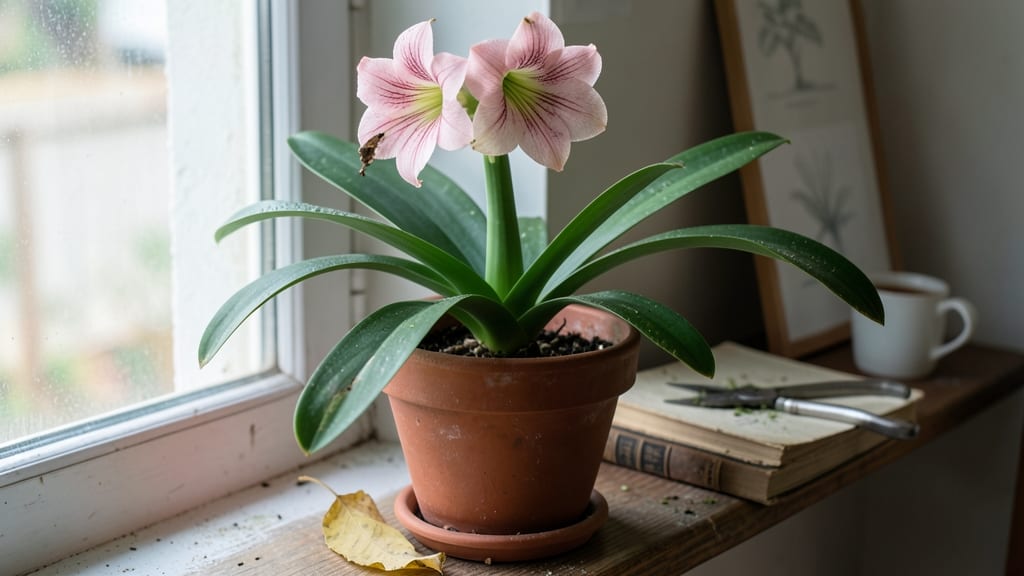
Pruning amaryllis plants after blooms is the secret to keeping them flowering for years—no more sad, leafless bulbs taking over your windowsill. 🌱 I’ve revived multiple amaryllis that were on their last legs just by following a few simple cuts and timing rules.
The key is acting after the flowers fade but before the leaves turn yellow, which most people get wrong.
You’ll need just three things: sharp scissors or pruners (dull blades crush stems), a small pot of well-draining soil (for replanting if needed), and a sunny spot. The actual pruning takes less than five minutes, but the follow-up care—like letting the leaves photosynthesize for six weeks—makes all the difference.
Most beginners skip this part and wonder why their plant never reblooms.
After pruning, you’ll see fresh green growth in about two weeks, and with proper care, your amaryllis will store energy for next year’s blooms. The leaves might look ugly at first, but that’s normal—they’re just recharging.
By next winter, you’ll have a strong bulb ready to burst into flowers again, all because you gave it the right cut at the right time.
This method works for both indoor amaryllis and those grown in pots outdoors (as long as they’re brought inside after blooming). The only real mistake is pruning too early or too late—so don’t rush it.
Let’s get those stems trimmed and your plant on the fast track to next season’s showstopper blooms.
📚 In This Guide
- What you need
- Instructions
- Tips and common mistakes
- Wrapping up and next steps
What you need
- ● Sharp pruning shears or clean scissors – Sterilize with rubbing alcohol to prevent disease. Avoid dull tools that can crush stems!
- ● Rubbing alcohol (70% isopropyl) or bleach solution – For sterilizing tools between cuts.
- ○ Gloves (optional but recommended) – Protects hands from sap and sharp edges.
- ● Newspaper or plastic sheet – Lay this down to catch debris and make cleanup easy.
- ● Identify dead, damaged, or spent blooms – Look for brown, mushy stems or flowers that’ve faded.
- ● Wait until blooming season is over – Prune after flowers wilt to avoid stressing the plant.
- ● Check for pests or diseases – Inspect leaves/stems for signs of infestation before pruning.
- ● Hydrogen peroxide (3%) – Dilute to spray cuts and prevent infection.
- ○ Pruning sealant (optional) – Only for large cuts to reduce sap loss.
- ● Notebook & pen – Jot down pruning dates to track growth patterns.
How to prune amaryllis plants for stronger blooms
Reviving your amaryllis for years of dramatic blooms starts with smart pruning—here's my foolproof method.
✂️ Step 1: Wait Until Blooms Fade Completely
Never prune while flowers are still vibrant. Wait until the blooms have fully wilted and the flower stalk turns yellow or brown—this signals the plant has finished flowering for the season. I usually give it 1-2 weeks after the last bloom drops to ensure the stalk is completely dry.
Cut the flower stalk at its base with clean, sharp pruners, making a clean slice about ½ inch above the bulb. Avoid tearing the stalk—this can introduce rot. If you're unsure, wait another week; patience here prevents stressing the plant.
🌱 Step 2: Trim Yellow or Damaged Leaves
After the flower stalk is removed, inspect the leaves. Trim any that are completely yellow, brown, or mushy at the base—these won’t recover and just drain energy from the bulb. Use your pruners to cut these leaves at the base, leaving only healthy green foliage.
Don’t remove more than 30% of the leaves at once. Amaryllis stores energy in its bulb, and too few leaves mean less photosynthesis for next year’s blooms. I leave at least half the leaves intact unless they’re clearly unhealthy.
💧 Step 3: Reduce Watering to Encourage Dormancy
Once pruning is done, gradually reduce watering over 2-3 weeks to signal dormancy. Let the top 2-3 inches of soil dry out completely between waterings—this mimics the natural dry period amaryllis bulbs need to regenerate energy.
Stop watering entirely once all leaves have turned yellow and died back. The bulb will shrink slightly, which is normal. Place the pot in a cool, dark spot (around 60-65°F) for 8-10 weeks
After 8-10 weeks of dormancy, bring the amaryllis back into bright, indirect light and resume watering. Water lightly at first, then increase as new growth appears. You’ll see a small sprout emerge from the top of the bulb—this is your cue to repot if the bulb is crowded. Use fresh well-draining potting mix and ensure the pot has drainage holes. Water deeply after repotting to settle the soil, then maintain it slightly moist (not soggy) until new leaves reach 4-6 inches tall. This is when you’ll see the first signs of next year’s flower stalk forming. Once new growth appears, feed the amaryllis with a balanced fertilizer (10-10-10) diluted to half strength every 4-6 weeks during the growing season. This encourages strong foliage and robust flower stalks. Avoid over-fertilizing—too much can burn the roots. Watch for a new flower stalk emerging from the center of the bulb. When it reaches 6-8 inches tall, move the plant to a bright spot with direct sunlight for 6+ hours daily. This ensures vibrant blooms when the stalk matures. Repeat the cycle, and you’ll have showstopping flowers year after year.☀️ Step 4: Resume Care After Dormancy
⏰ Step 5: Fertilize for Next Season’s Blooms
Tips & tricks for pruning amaryllis plants
Here's what nobody tells you about pruning amaryllis—that the details make all the difference between a plant that blooms once and one that thrives for years.
The Right Tools Matter: Don't use scissors or dull pruners—they crush stems and create jagged cuts that invite rot. Invest in a pair of clean, sharp bypass pruners for a smooth cut that heals properly. I sterilize mine with rubbing alcohol between uses to prevent bacterial transfer between plants. This small step prevents infections that can kill your bulb over time.
Leaf Trimming Strategy: When you're deciding which leaves to trim in Step 2, focus on the base condition rather than just color. Healthy leaves should feel firm and crisp when you gently squeeze them. If you're unsure whether to remove a leaf, wait a week—if it hasn't recovered, it's better to remove it than let it drain energy from your bulb. Remember, you're aiming to leave at least half the leaves intact, so don't over-trim!
Dormancy Temperature Tip: That 60-65°F range for dormancy might seem wide, but it's critical. Too warm (above 70°F) can trick the bulb into thinking it's growing season, while too cool (below 55°F) slows metabolic processes. I place mine in a closet with a small space heater set to 62°F—consistent temperature matters more than exact degrees. A simple thermometer in the space helps monitor this precisely.
Repotting Insight: If you notice the new growth in Step 4 is struggling after repotting, your drainage might be the issue. Amaryllis bulbs rot quickly in soggy conditions. I always test my potting mix by pressing it—if water beads on top after 10 minutes, it's too dense. Add perlite or orchid bark to improve aeration. The pot should be just snug enough that the bulb isn't wobbling, but not so tight you can't slide a finger between the bulb and pot edges.
Pro Tips for Pruning Amaryllis Plant
- Here's what nobody tells you about pruning amaryllis—that the details make all the difference between a plant that blooms once and one that thrives for years.
- The Right Tools Matter: Don't use scissors or dull pruners—they crush stems and create jagged cuts that invite rot.
- Leaf Trimming Strategy: When you're deciding which leaves to trim in Step 2, focus on the base condition rather than just color.
Frequently asked questions
Got questions about pruning your amaryllis? You're not alone!
Here are answers to the most common concerns—from timing to troubleshooting—so you can keep your plant thriving.
When is the best time to prune amaryllis after blooming?
Prune after the flowers fade (but before the foliage turns yellow). Cut the flower stalk 1-2 inches above the bulb once the blooms wilt. This redirects energy to the bulb for next year’s growth. Avoid pruning too early—wait until the stalk dries out slightly.
Should I cut the leaves too, or leave them until they die back?
Leave the leaves until they yellow and wilt naturally (usually 4-6 months after blooming). They store nutrients for the bulb. Only trim dead or brown leaves at the base. Cutting healthy leaves too soon weakens the plant.
How long does it take for an amaryllis to recover after pruning?
Recovery varies, but most amaryllis plants bounce back within 2-4 weeks if pruned correctly. Focus on bright, indirect light and moderate watering (let the soil dry slightly between waterings). Avoid overwatering—root rot is a common issue!
What if my amaryllis doesn’t bloom after pruning? How can I fix it?
No blooms? Try these fixes:
- Light: Amaryllis need 6+ hours of sunlight daily (south-facing windows or grow lights).
- Rest period: After blooming, let the plant rest for 8-10 weeks with less water and cooler temps (60–65°F).
- Fertilizer: Use a balanced bulb fertilizer (like 10-10-10) every 4-6 weeks during active growth.
- Patience: Young bulbs (under 2 years old) may skip blooming—give them time!
Can I prune amaryllis in winter, or should I wait for spring?
Prune only after blooming, regardless of season. Winter is fine if your plant has finished flowering (typically Dec–Feb). Avoid pruning during dormancy (late summer/early fall). If in doubt, wait until spring—just never prune a dormant bulb!
Pro Tip:
Mark your calendar! Amaryllis thrive on routine. Set a reminder to prune 2 weeks after the last bloom and again when leaves yellow. Consistency = happier plants (and more flowers next year)!
Wrapping up and next steps
Pruning your amaryllis plant is the secret to keeping it vibrant and blooming beautifully for years!
By following these simple steps—removing dead foliage, trimming spent blooms, and giving it a little TLC—you’ll encourage healthier growth and stunning flowers. Now’s your chance to turn last year’s plant into this year’s showstopper! 🌸
Ready to see your amaryllis thrive? Start by scheduling your next pruning session—whether it’s after blooming or during dormancy—and watch as your plant rewards you with bold, vibrant blooms season after season.