
Pruning
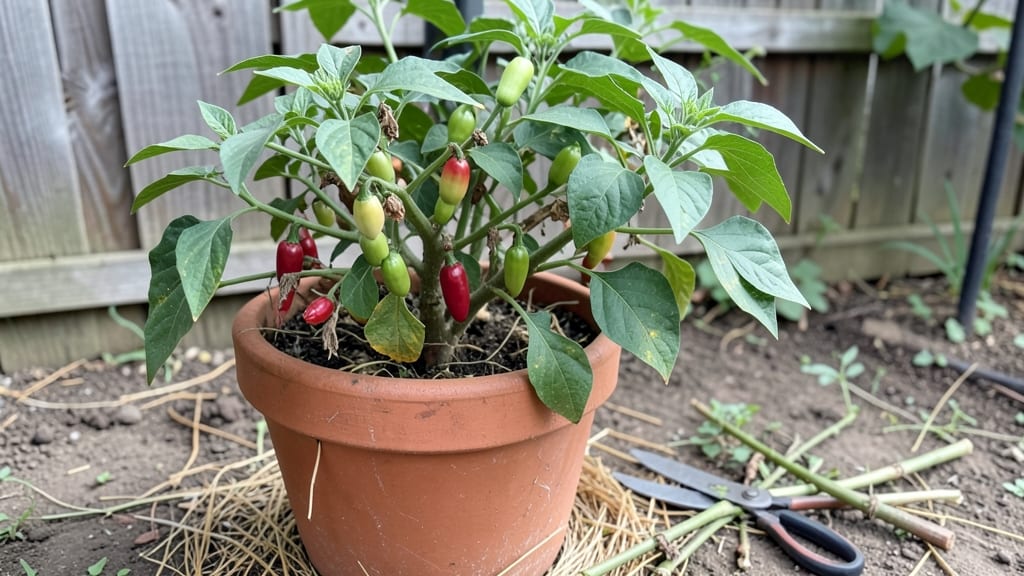
Pruning chilli plants is the secret weapon behind my record-breaking harvests—last summer, I went from a handful of peppers to enough for drying, freezing, and sharing with neighbors. The key isn’t just cutting branches; it’s about redirecting energy to where it matters most: heat development and fruit production.
You’ll need sharp pruning shears, a clean cutting surface, and about 20 minutes on a sunny morning. Start when plants are 6-8 inches tall and repeat every 2-3 weeks until flowering.
The goal is to remove the top set of leaves (the first true leaves) and any leggy growth—this forces the plant to branch out, creating more spots for peppers to form.
Done right, pruning delivers thicker stems, more flowers, and sweeter, hotter peppers—plus, better air circulation keeps pests like aphids away. My jalapeños now produce three times as many peppers as before, and the flavor is noticeably bolder.
The trade-off? You’ll sacrifice some early fruit for a bigger, healthier harvest later in the season.
Works for both container-grown and in-ground chillies, though compact varieties like Thai peppers need lighter pruning. Here’s how to avoid the three mistakes that kill yields—starting with the one I made my first year that wiped out half my plants.
📚 In This Guide
- What you need
- Instructions
- Tips and common mistakes
- Wrapping up and next steps
What you need
- ● Sharp pruning shears or scissors: Clean, sterilized shears (avoid dull tools to prevent tearing stems). Quantity: 1 pair.
- ● Garden gloves: Nitrile or latex-free (to protect from thorns and spicy residue). Quantity: 1 pair.
- ● Disinfectant (rubbing alcohol or bleach solution): 1 part bleach to 9 parts water (for sterilizing tools between cuts).
- ○ Pruning sealant (optional): Wound-healing paste (like tree wound pruning seal) to prevent disease entry.
- ● Hand lens or magnifying glass: For inspecting stems for pests/disease before pruning.
- ● Spray bottle with water: To rinse off sap or residue after pruning.
- ● Markers or tags: Small plant labels to track pruned sections if experimenting with training methods.
- ● Compost bin or bag: For collecting pruned debris (avoid composting diseased plants).
Step-by-Step instructions for pruning chili plants
Here's how to shape your chili plants for bigger yields and hotter peppers—no guesswork, just proven techniques.
Identify the Main Stem and Primary Branches
Start by locating the main stem, which grows straight upward from the base. This is your plant's backbone, and every decision stems from it. Chili plants typically develop primary branches at the leaf nodes—these are the thickest stems emerging from the main stem. I always begin pruning by counting upward from the base: the first 4-6 primary branches are your plant's structural foundation. These will bear the heaviest fruit loads, so handle them with care.
Use clean, sharp pruning shears to make cuts just above a leaf node where a branch meets the main stem. This ensures new growth will sprout from that exact spot, maintaining the plant's natural structure. Avoid cutting into old wood or stems thicker than your thumb—these won't regenerate well. If you're unsure, wait until the plant has at least 3-4 sets of true leaves before pruning; this signals it's strong enough to handle shaping.
Remove Sucker Growth and Weak Branches
Suckers are the small, spindly shoots that grow between the main stem and primary branches or in the leaf axils. These energy vampires drain your plant without contributing to fruit production. I snip them off as soon as I spot them—usually every 3-5 days during peak growth. Use your fingers to gently pinch off tiny suckers or pruning shears for thicker ones. Always cut at a 45-degree angle just above a leaf node to prevent water from pooling and rotting the wound.
Next, inspect the plant for weak or leggy branches—these are thin, pale stems that stretch toward light but rarely produce peppers. Remove these entirely, cutting back to the nearest strong branch or main stem. You'll know you're doing it right when the plant's energy redirects to the remaining branches, which will thicken and develop more leaf nodes for future fruit. Never leave stubs longer than 1/4 inch, as they invite disease.
Thin Fruit Clusters for Optimal Development
Chili plants produce fruit in clusters, but overloading them stresses the plant and reduces heat levels. Once your plant has 5-7 peppers per cluster, remove the smallest or least developed ones, leaving only the strongest. I prioritize keeping peppers that are firm, upright, and evenly shaped—these are the ones with the best flavor and heat potential. Use your fingers to gently twist off underdeveloped peppers at the base; avoid cutting to prevent damaging the stem.
Pay special attention to the plant's lower branches. If you notice peppers forming below the first 12 inches of the main stem, remove them entirely. This encourages the plant to focus its energy upward, where sunlight is strongest and fruit quality peaks. After thinning, step back and assess the plant's balance. You want a pyramid shape with the widest canopy at the top—this maximizes sunlight exposure and air circulation, both critical for preventing disease.
Prune for Airflow and Light Penetration
As your chili plant matures, its branches will thicken and leaves will fill in. While lush foliage looks impressive, dense growth traps moisture and blocks light—both recipes for disaster. I prune to create an open, airy structure by removing any branches that cross or rub against others. Focus on the plant's inner canopy, where leaves and stems often tangle. Cut back to the nearest outward-facing branch to improve airflow and reduce humidity levels.
If your plant develops water sprouts—thin, vertical stems growing straight up from the main stem or branches—remove them immediately. These are a sign of overpruning earlier in the season or excessive nitrogen. Prune these back to a leaf node, and within 7-10 days, you'll see new, stronger growth emerge. Always prune in the morning, when the plant is turgid and wounds heal fastest. Avoid pruning after rain or in high humidity, as open cuts are more susceptible to infection.
Adjust Pruning for Late-Season Harvests
In the final 6-8 weeks before your first frost, shift your focus from shaping to preserving the plant's energy. Stop removing suckers and weak branches entirely—let the plant concentrate on ripening existing peppers. If you notice green peppers turning red or maturing slowly, prune only the absolute minimum: remove any branches that are yellowing, diseased, or clearly dying. Cut these back to healthy tissue, and dispose of the clippings far from the plant to prevent spreading pathogens.
For varieties like jalapeños or serranos, which produce multiple harvests, you can lightly prune to encourage a second flush of peppers. Focus on removing only the oldest, most mature peppers and any branches that have already fruited. This signals the plant to redirect its energy into new growth. Harvest peppers every 2-3 days during peak production to encourage continuous flowering. By the time your plant's leaves start yellowing or dropping, it's done for the season—let it go naturally to avoid stressing it further.
Tips & tricks for pruning chili plants
These proven techniques will help you transform your chili plants into high-yielding, heat-packed powerhouses—without the guesswork.
Timing is Everything: In Step 2, when you're removing suckers every 3-5 days, I've found that morning pruning is non-negotiable. The plant's natural turgor pressure is highest in the morning, which helps wounds heal faster and reduces the risk of infection. If you must prune later in the day, wait until at least 2 hours before sunset to give the cuts time to dry before evening moisture sets in.
Visual Cues for Healthy Pruning: When thinning fruit clusters in Step 3, look for peppers that are firm to the touch with a slight give—these are your winners. The ones to remove will feel soft or rubbery, indicating they're not getting enough energy from the plant. Also, pay attention to the color: the healthiest peppers will have vibrant green stems, while weak ones often show yellowing at the base.
Pruning Shears Maintenance: Your pruning shears are your most important tool, so treat them like surgical instruments. After each use, wipe them clean with rubbing alcohol to prevent bacterial buildup, then lightly oil the blades with mineral oil. I sharpen my shears every 2-3 pruning sessions using a diamond sharpening stone—this ensures clean cuts that heal properly. Dull blades crush stems instead of cutting cleanly, which invites disease.
Late-Season Strategy: In the final 6-8 weeks before frost, I switch to a "less is more" approach. Instead of aggressive pruning, I focus on removing only diseased or dying branches. For varieties like jalapeños, I'll harvest every 2-3 days during peak production to stimulate continuous flowering. This final push can extend your harvest window by up to 2 weeks in optimal conditions.
Pro Tips for Pruning Chilli Plants
- These proven techniques will help you transform your chili plants into high-yielding, heat-packed powerhouses—without the guesswork.
- Timing is Everything: In Step 2, when you're removing suckers every 3-5 days, I've found that morning pruning is non-negotiable.
- Visual Cues for Healthy Pruning: When thinning fruit clusters in Step 3, look for peppers that are firm to the touch with a slight give—these are your winners.
Frequently asked questions
Got questions about pruning your chilli plants?
You’re not alone! Here are answers to the most common queries to help you grow healthier, more productive peppers—whether you’re a beginner or a seasoned gardener.
When is the best time to prune chilli plants?
Prune your chilli plants after they’ve established 4–6 true leaves and before flowering (late spring to early summer). Avoid pruning during extreme heat or cold, as it stresses the plant. Focus on removing lower leaves to improve airflow and prevent disease.
How much should I prune my chilli plants?
Keep it moderate! Remove 10–20% of the plant’s foliage at a time to avoid shocking it. Trim suckers (side shoots) and damaged leaves, but leave the main stem and most leaves intact. Over-pruning can reduce yield, so prioritize health over aggressive cutting.
Can I prune chilli plants too late in the season?
Yes, but with caution. Late-season pruning (after flowering) can stimulate new growth that won’t mature before frost. If you must prune late, focus on removing only diseased or dead foliage to protect the plant. Avoid heavy cuts that delay harvest.
What if I don’t prune my chilli plants at all?
Unpruned plants may still produce peppers, but you’ll likely see fewer, smaller fruits and higher disease risk from poor airflow. Pruning encourages bushier growth, better sunlight exposure, and stronger yields—worth the effort for serious chilli growers!
My chilli plant looks sad after pruning. What went wrong?
If your plant wilts or stops growing, you may have pruned too aggressively or during stress (like heatwaves). Revive it by:
- Watering deeply and consistently
- Avoiding fertilizer for 1–2 weeks
- Providing shade if temperatures spike
Wrapping up and next steps
Pruning your chilli plants might feel intimidating at first, but with the right techniques, you’re well on your way to a bountiful harvest of fiery, flavorful peppers! 🌶️ By removing spent blooms, shaping growth, and encouraging airflow, you’ll boost both yield and heat—plus, your plants will thrive with less stress.
Now that you’re armed with expert tips, grab those shears and get pruning with confidence!
Ready for the next step? Experiment with different pruning styles—try the "central stem method" for compact plants or the "open vase shape" for better airflow. Keep tracking your progress, and soon you’ll be the proud grower of the spiciest, most productive chillies in the neighborhood! 🔥