Pruning
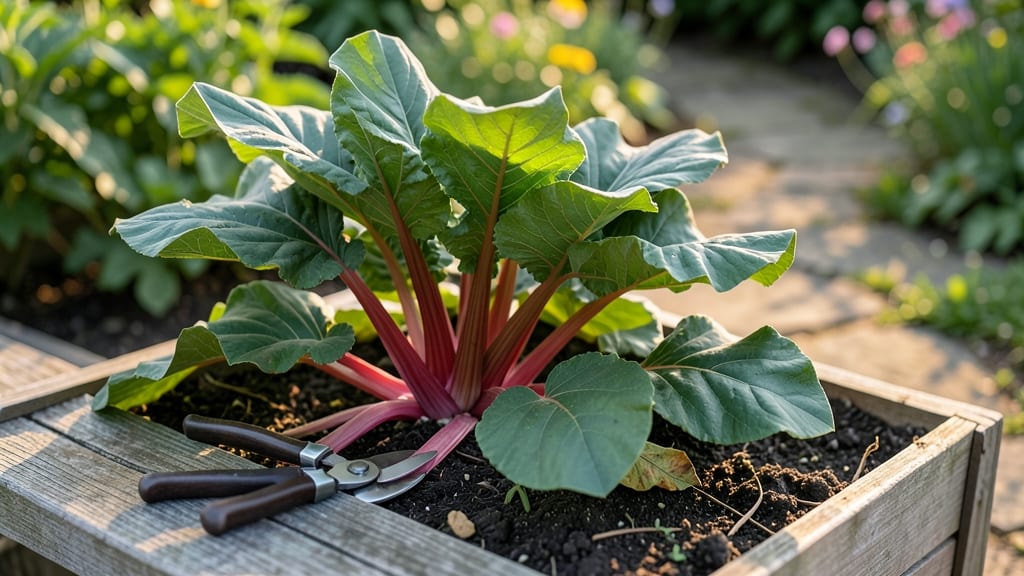
Trimming rhubarb plants in early spring is the secret to keeping them productive for years. I used to cut stalks whenever they looked ready, but after my first overgrown mess, I learned the right timing and technique make all the difference.
The plants reward you with thick, sweet stalks for decades if you handle them right.
You’ll need sharp pruners or a clean knife, a bucket for the harvest, and a sunny spot to work. The key move is cutting stalks at the base—never pull them—after they reach 10–12 inches tall.
This protects the crown and encourages more growth. Most gardeners miss this detail, but it’s what separates a handful of stalks from a bushel.
By mid-summer, you’ll see new shoots pushing through the soil, ready for another harvest. The plants stay compact and vigorous when you trim correctly, producing stalks well into fall. Even in small gardens, rhubarb thrives with this simple routine—no fancy tools or complicated steps required.
For those who want extra yield, a light top dressing of compost in early spring gives them a boost. Just avoid heavy fertilizer, which makes stalks tough and woody. The goal is steady, sweet growth, not fast but bitter harvests. Now let’s get those stalks trimmed the right way!
📚 In This Guide
- What you need
- Instructions
- Tips and common mistakes
- Wrapping up and next steps
What you need
- ● Pruning shears or secateurs: Sharp, clean, and disinfected (70% isopropyl alcohol works great). Choose bypass-style for precision cuts.
- ○ Gloves: Heavy-duty gardening gloves (optional but recommended—rhubarb leaves can be slightly irritating to bare skin).
- ● Rake or hoe: For clearing debris around the plant base (size depends on your garden bed).
- ● Compost or mulch: 2–3 inches of organic matter (e.g., straw, shredded leaves, or well-aged compost) to replenish nutrients post-trimming.
- ● Pruning saw: For thick, woody stems (rare but possible in older plants).
- ● Plant food or fertilizer: Balanced 10-10-10 or organic options like fish emulsion to boost growth after trimming.
- ● Label markers: If you’re trimming multiple varieties, label them to avoid mix-ups!
- ● Disinfectant spray: For sterilizing tools between cuts (prevents disease spread).
Step-by-Step instructions for trimming rhubarb plants
Keep your rhubarb productive and tidy with this simple, seasonal trimming routine.
Identify and Remove Dead or Diseased Stalks
Start by inspecting your rhubarb crown in early spring before new growth begins. Look for any stalks that appear mushy, discolored, or hollow—these are signs of rot or disease. Use clean, sharp pruners to cut these stalks at the base, about 1 inch above the soil line. This prevents the spread of pathogens to healthy parts of the plant.
I always wear gloves for this step because rhubarb leaves contain oxalic acid, which can irritate skin. If you spot any mold or unusual spots on the stalks, discard them immediately in the trash—not the compost pile—to avoid contaminating future crops.
Thin Overcrowded Stalks for Better Airflow
Rhubarb thrives when it has space to breathe. In late winter or early spring, count the number of stalks emerging from the crown. If you have more than 12-15 stalks, thin them down to the strongest, healthiest ones. Use your pruners to cut the extras at the base, leaving only the ones with firm, upright growth.
This step might seem harsh, but it ensures your remaining stalks grow thicker and more flavorful. You’ll know you’ve done it right when the remaining stalks stand 2-3 inches apart and show no signs of leaning or competing for space.
Harvest Stalks Selectively to Encourage Growth
Once your rhubarb stalks reach 8-10 inches tall and are at least ½ inch thick, they’re ready for harvest. Use a sharp knife or clean pruners to cut the stalks at a 45-degree angle, about 1 inch above the crown. Never pull stalks—this can damage the plant’s roots and reduce future yields.
Here’s the key: Never harvest more than one-third of the stalks at a time. If you strip the plant bare, it won’t recover, and you’ll end up with weak growth the following year. I like to harvest in stages, leaving at least 6-8 stalks uncut to keep the plant strong.
Cut Back Foliage After Harvesting Season
After the main harvest season (typically late spring to early summer), let the stalks die back naturally. Once they turn brown and crispy, use your pruners to trim the entire foliage back to within 2 inches of the crown. This reduces the risk of disease and prepares the plant for dormancy.
Don’t skip this step—leaving old leaves over winter can harbor pests and fungi. I always clean my pruners with rubbing alcohol between cuts to prevent cross-contamination. After trimming, spread a 2-inch layer of mulch around the base to protect the crown from freezing temperatures.
Prune for Shape and Health in Late Summer
In late summer, inspect your rhubarb for any stalks that have become woody, thin, or weak. These are signs the plant is aging and should be removed. Cut them back to the crown to encourage new, vigorous growth. Additionally, trim any stalks that are growing at odd angles or rubbing against each other—this prevents damage and improves airflow.
This is also a good time to check for crown rot, which appears as soft, discolored tissue at the base of the stalks. If you find it, dig up the affected plant immediately and replace the soil with fresh, sterile potting mix. Healthy rhubarb crowns should feel firm and plump, not spongy or hollow.
Tips & tricks for perfect rhubarb plant trimming
A few simple tricks will help you maintain a healthy, productive rhubarb plant throughout the seasons.
Timing is Everything: The early spring timing in Step 1 is crucial—waiting too long risks spreading diseases through the plant. I've found that inspecting rhubarb on a clear, dry day after the last frost gives the best visibility for spotting problems. If you miss early spring, you can still do this in late winter as long as the ground isn't frozen.
The Right Tools Make All the Difference: Using clean, sharp pruners is non-negotiable for Step 2 and Step 5. Dull blades can crush stalks, causing damage that invites pests. I always sanitize my pruners with rubbing alcohol between cuts, especially when dealing with diseased stalks. A small pair of garden shears works well for larger stalks, while smaller pruners handle the finer work near the crown.
Visual Cues for Healthy Growth: When thinning stalks in Step 2, look for stalks that are firm, upright, and showing good color. The 2-3 inch spacing recommendation isn't arbitrary—it allows for proper air circulation while giving each stalk enough room to develop. You'll know you've done it right when the remaining stalks stand straight up without leaning toward their neighbors.
Harvesting Strategy: The one-third harvest rule in Step 3 is your secret to consistent yields. I like to mark my calendar for harvest days to avoid over-harvesting. For the first harvest, I'll cut 4-5 stalks from a mature plant, leaving the rest to continue growing. This approach has kept my rhubarb productive for over 10 years without any decline in vigor.
Pro Tips for Trim Rhubarb Plants
- A few simple tricks will help you maintain a healthy, productive rhubarb plant throughout the seasons.
- Timing is Everything: The early spring timing in Step 1 is crucial—waiting too long risks spreading diseases through the plant.
- The Right Tools Make All the Difference: Using clean, sharp pruners is non-negotiable for Step 2 and Step 5.
Frequently asked questions
When is the best time to trim rhubarb plants?
Trim rhubarb plants after harvesting in early spring or late summer. Avoid trimming in winter (when the plant is dormant) or during active growth spurts. Focus on removing dead leaves and thinning crowded stalks to encourage new growth. Pro tip: Never cut more than one-third of the plant at once!
How do I trim rhubarb without harming the plant?
Use clean, sharp pruners or shears to make angled cuts just above a leaf node (where leaves meet the stalk). Avoid tearing—this can introduce disease. For thick stalks, gently twist and pull instead of cutting. Always disinfect tools with rubbing alcohol between cuts to prevent bacterial spread.
Can I trim rhubarb plants in winter?
No, avoid winter trimming—rhubarb is dormant and vulnerable to frost damage. Wait until early spring (when new shoots appear) or late summer (after harvest season). If you must remove dead foliage in winter, do so sparingly and only if it’s completely brown and brittle.
What if my rhubarb plant looks overgrown after trimming?
Overgrowth is normal after aggressive trimming! Focus on thinning crowded stalks rather than cutting back drastically. Water deeply post-trim and fertilize lightly with compost. New growth should emerge within 2–3 weeks. If the plant struggles, reduce future harvests to let it recover.
Are there alternatives to trimming rhubarb?
Yes! If trimming feels overwhelming, try harvesting selectively—pick only the largest, firm stalks while leaving smaller ones. For established plants, mulching (with straw or leaves) can reduce weeds and protect roots, cutting down on the need for aggressive pruning. Just avoid piling mulch against the crown.
Wrapping up and next steps
Trimming your rhubarb plants isn’t just about tidiness—it’s the secret to bigger harvests, healthier growth, and a more manageable garden. By mastering the timing, technique, and aftercare, you’ll turn a few simple cuts into a year-round supply of vibrant stalks.
Now that you’re armed with the know-how, grab those shears and get pruning! 🌱✂️
Ready to take it further? Experiment with companion planting near your rhubarb—try pairing it with strawberries or lettuce to maximize space and boost yields. Happy gardening!