
Pruning
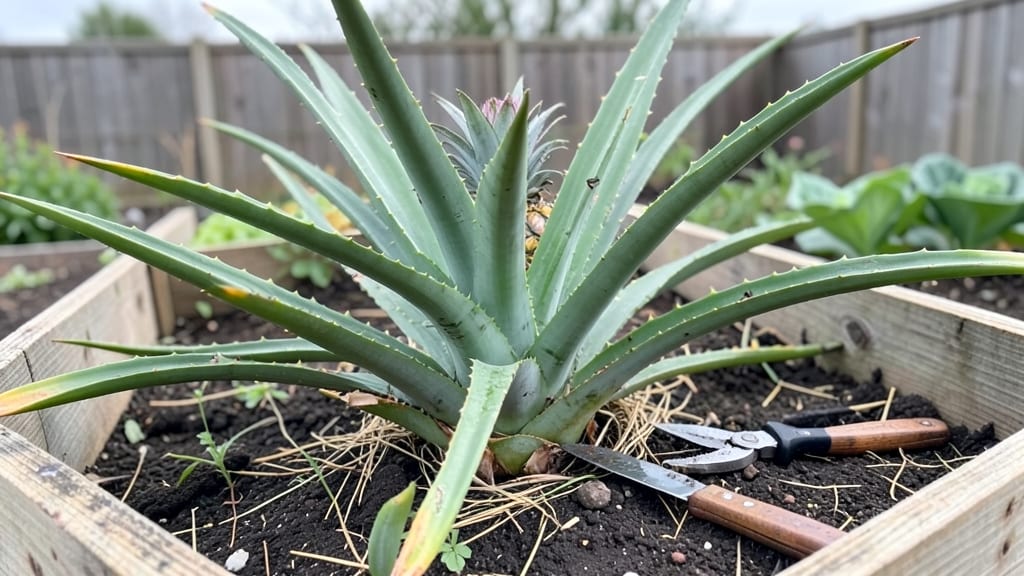
The right cuts on your pineapple plant can double your harvest next year. ✨ I’ve trimmed mine every spring for three seasons now, and each time, the plant responds with thicker stalks and more fruit—sometimes even a second harvest.
The secret isn’t complicated, but timing and technique make all the difference.
You’ll need just three tools: sharp pruning shears, rubbing alcohol (to sterilize), and a small container of water for cuttings. The process takes less than 15 minutes, and the payoff comes in bigger, sweeter fruit.
Most people overlook how much trimming encourages new growth, but it’s the difference between one small pineapple and a cluster of them.
After trimming, your plant will focus energy on producing stronger leaves and fruit stalks. You’ll notice new suckers forming within weeks, and those become next year’s harvest.
The key is patience—don’t rush it, and avoid cutting too much at once. Over-trimming stresses the plant, but the right cuts keep it thriving.
Works for both indoor and outdoor plants, and the same principles apply whether you’re growing from a store-bought pineapple or a mature houseplant. Let’s get those shears ready—your next harvest starts with a single cut.
📚 In This Guide
- What you need
- Instructions
- Tips and common mistakes
- Wrapping up and next steps
What you need
- ● Sharp pruning shears or garden scissors – Choose sterilized, bypass-pruning shears (5-7 inch blades) to avoid damaging the plant or spreading disease. Never use dull tools!
- ● Rubbing alcohol (70% isopropyl) or bleach solution – For sterilizing tools between cuts (1 part bleach to 9 parts water).
- ○ Gloves (optional but recommended) – Garden or nitrile gloves to protect hands from sap and sharp edges.
- ● Hydrogen peroxide (3%) or cinnamon powder – To disinfect cuts and prevent infection (1-2 teaspoons or a light dusting per cut).
- ● Small container with water – For rinsing tools or holding trimmed suckers if repotting.
- ● Pruning saw – For thicker stems (if your pineapple plant has woody growth).
- ● Plant food or fertilizer – Balanced liquid fertilizer (10-10-10) to nourish the plant post-trimming.
- ● Markers or labels – If repotting suckers, label them with the date and variety.
- ● Spray bottle with water – To mist the plant and reduce stress after trimming.
Step-by-step guide to trimming pineapple plants
Here's the straightforward approach I use to keep my pineapple plants healthy and productive.
🌿 Step 1: Identify and Remove Dead or Yellowing Leaves
Start by inspecting your pineapple plant for any leaves that have turned brown, yellowed, or feel mushy to the touch. These are dead or dying and need removal to redirect the plant’s energy toward new growth and fruit production. Use clean, sharp pruning shears to cut these leaves at the base, making sure to leave the healthy green leaves untouched.
This step is crucial because dead leaves can harbor pests and diseases. I always work with clean tools to prevent any contamination. You'll notice the plant looks cleaner and more vibrant after removing these unsightly leaves.
✂️ Step 2: Trim Overly Long or Leggy Leaves
Next, look for leaves that are excessively long or leggy, stretching out more than necessary. These leaves can weaken the plant by using too much of its energy. Use your pruning shears to trim these leaves back to about half their length, cutting just above a leaf node where new growth can emerge.
This encourages the plant to produce shorter, sturdier leaves and promotes bushier growth. You'll see new shoots forming at the trimmed sections within a few weeks. Avoid cutting into the central crown, as this is where the fruit develops.
🌱 Step 3: Prune Off Any Pups Growing at the Base
Pineapple plants often produce small offshoots called pups at their base. These pups can drain nutrients from the main plant, reducing its ability to produce fruit. Carefully detach these pups by twisting them gently until they separate from the mother plant. You can replant these pups in separate containers if you want to propagate more pineapple plants.
Removing pups ensures the main plant focuses its energy on growing and fruiting. You'll find that the mother plant becomes more productive and healthier once these pups are removed. Keep the pups in a warm, shaded area for a few days while they root before replanting.
☀️ Step 4: Maintain the Plant’s Shape and Encourage Airflow
After trimming the dead leaves, leggy growth, and pups, take a moment to shape the plant. Pineapple plants thrive when they have good airflow around their leaves, which helps prevent fungal diseases. Gently spread out any remaining leaves to ensure they aren’t crowded together.
This step is all about balance. You’ll see the plant start to fill out more evenly as it directs energy toward new, healthy growth. Keep an eye on the plant over the next few weeks, and you’ll notice it becoming stronger and more resilient.
Tips & tricks for perfect pineapple plant trimming
A few simple tricks will help you trim your pineapple plant like a pro—and keep it thriving year-round.
Tool Prep: Sterilize your pruning shears with rubbing alcohol before and after each use. I learned this the hard way after my plant developed a fungal infection from contaminated tools. Clean tools prevent disease spread and keep your plant healthy.
Leaf Assessment: In Step 1, don't just look for color—run your fingers along the leaf edges. Healthy leaves feel firm and slightly leathery, while dying leaves will feel soft or mushy. This tactile check helps you identify leaves that need removal even if they're not completely yellow.
Pup Propagation: When removing pups in Step 3, look for ones that are at least 3-4 inches tall with their own roots forming. These have the best chance of surviving when replanted. Smaller pups may not have enough energy reserves to establish themselves.
Seasonal Timing: The best time to trim is during the plant's active growing season, which is typically spring and summer. Avoid heavy trimming in winter when the plant is dormant. I always do my major trimming in late spring when new growth is just starting.
Pro Tips for Trimming Pineapple Plant
- A few simple tricks will help you trim your pineapple plant like a pro—and keep it thriving year-round.
- Tool Prep: Sterilize your pruning shears with rubbing alcohol before and after each use.
- Leaf Assessment: In Step 1, don't just look for color—run your fingers along the leaf edges.
Frequently asked questions
Got questions about trimming your pineapple plant? You’re not alone—many growers wonder how, when, and why to prune for the best fruit yield. Here are the answers to the most common queries:
When is the best time to trim a pineapple plant?
Trim your pineapple plant after it produces its first fruit (the "mother plant"). Once the fruit is harvested, cut back the old leaves about 2-3 inches above the base. This encourages pups (offshoots) to grow, which can be replanted for future harvests. Avoid trimming during extreme heat or cold—aim for spring or early summer for ideal regrowth.
How do I know which leaves to cut?
Focus on dead, yellow, or brown leaves first—they drain energy from the plant. For healthy trimming, remove only the outermost leaves that are fully brown or damaged. Never cut into the central rosette (the tight cluster of leaves at the core), as this is where new growth and fruit develop. Use clean, sharp shears to avoid tearing.
Can I trim a pineapple plant too much?
Yes! Over-trimming—especially cutting into the growing tip or removing more than ⅓ of the plant—can stunt growth or kill it. Limit trims to 1-2 sessions per year and never remove more than a few outer leaves at once. If you see wilting or yellowing after trimming, your plant may be stressed. Reduce watering temporarily and monitor for recovery.
What should I do with the trimmed leaves?
Don’t toss those leaves! Compost them for nutrient-rich soil, or use them as mulch around other plants. If you’re feeling creative, dry the leaves and braid them into pineapple fiber for crafts. Just avoid burning them—pineapple leaves release irritating fumes when burned. Pro tip: Save the pups (offshoots) to grow new plants!
Will trimming my pineapple plant increase fruit production?
Indirectly, yes! Trimming removes dead leaves, redirecting energy to the plant’s core for faster pup growth and healthier fruit development. However, the mother plant will not produce another fruit after the first harvest—focus on replanting pups for future harvests. Healthy trimming + proper care = more pups = more pineapples over time!
Wrapping up and next steps
Trimming your pineapple plant isn’t just about aesthetics—it’s a game-changer for healthier growth and bigger, sweeter fruit! 🌱 With the right tools, timing, and technique, you’ll unlock year-round harvests while keeping your plant thriving.
Whether you’re a seasoned gardener or a curious beginner, every snip brings you closer to a juicy reward.
Ready to take the next step? Start small—pick a single leaf or offset to trim this week, and watch your pineapple plant transform. Soon, you’ll be enjoying homegrown fruit straight from your garden. Happy pruning! 🍍✨