
Trees
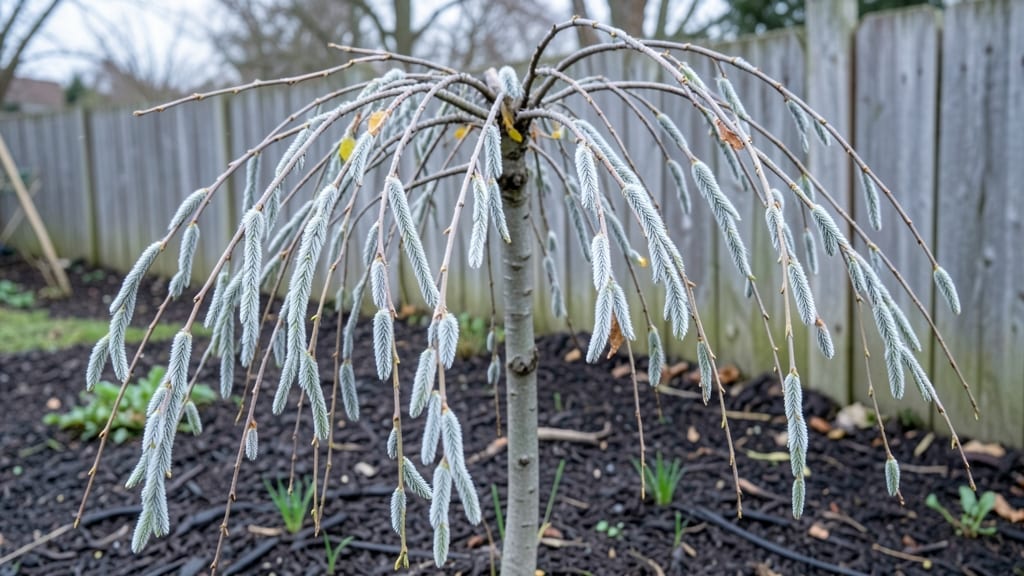
The weeping pussy willow plant transforms spring into a dreamy, fluffy wonderland—its cascading branches turn my yard into a fairy tale, soft and alive with buzzing bees. 🌿 This isn’t just a tree; it’s a springtime statement piece that thrives with minimal fuss once you get the basics right.
The secret to happy willows starts with the right spot: moist, well-draining soil and at least 6 hours of sunlight daily. Plant in early spring or fall, giving roots time to settle before summer heat arrives.
Mulch helps retain moisture, and a 5-gallon container works for small spaces—just ensure it drains well. Overwatering is the #1 killer, so let the soil dry slightly between waterings.
By late winter, you’ll see those iconic catkins unfurl, creating a cloud-like display that lasts 3-4 weeks. Prune in late summer to shape the weeping habit, and watch how pollinators flock to the blooms. Even in city gardens, this tree brings that "just-awakened-from-winter" magic. Let’s get yours growing!
Works in zones 3-8, from rural yards to urban patios. The key is patience—give it a year to establish, and it’ll reward you with decades of soft, springtime drama. No other tree delivers that instant "spring has arrived" feeling like a weeping pussy willow.
📚 In This Guide
- What you need
- Instructions
- Tips and common mistakes
- Wrapping up and next steps
What you need
- ● Weeping pussy willow cuttings or seeds: 3–5 healthy cuttings (6–12 inches long) or seed packets (if starting from scratch).
- ● Potting soil or garden soil: 1–2 bags (well-draining, rich in organic matter like compost).
- ● Watering can or hose: With a gentle spray nozzle for hydration.
- ○ Fertilizer (optional but helpful): A balanced, water-soluble fertilizer (10-10-10 ratio) or slow-release granules.
- ● Pruning shears: Sharp, clean pair for trimming cuttings or shaping.
- ● Garden gloves: To protect your hands from thorns or soil.
- ● Planting container or garden bed: A 5-gallon pot (for cuttings) or a sunny, moist spot in your yard (6+ feet wide for mature growth).
- ○ Rooting hormone (optional): Speeds up root growth for cuttings.
- ● Mulch: Straw or wood chips (2–3 inches) to retain moisture.
- ● A sunny location (full sun to partial shade, 4+ hours of sunlight daily).
- ● Moist, well-draining soil (pussy willows love water but hate soggy roots!).
- ● Patience! Cuttings take 4–6 weeks to root; seeds may take months to sprout.
Step-by-Step instructions for planting and caring for a weeping pussy willow
Here's how to grow lush, cascading branches with those iconic fluffy catkins that announce spring.
🪴 Step 1: Choose the Right Location and Prepare the Soil
Weeping pussy willows thrive in moist, well-draining soil with full sun to partial shade. I always plant mine near a pond or water feature where the roots can access consistent moisture without becoming waterlogged. The ideal spot gets at least 6 hours of sunlight daily but tolerates afternoon shade in hotter climates.
Before planting, loosen the soil to a depth of 12 inches and mix in a handful of organic compost. These willows have invasive roots, so I recommend planting them at least 10 feet away from structures or other plants. Dig a hole twice as wide as the root ball but only as deep—planting too deep suffocates the roots and causes stress.
🌱 Step 2: Plant the Willow and Water Thoroughly
Gently remove the willow from its container and loosen any circling roots with your fingers. Place it in the hole so the top of the root ball sits 1 inch below soil level—this helps prevent the trunk from rotting as it ages. Backfill with native soil, tamping lightly to eliminate air pockets while keeping the mix loose.
Water immediately after planting, soaking the soil until it's evenly moist to a depth of 12 inches. You'll know it's right when water pools on the surface but drains within 15 minutes. Mulch around the base with 2-3 inches of organic mulch (like shredded bark) to retain moisture and suppress weeds—but keep it 6 inches away from the trunk to prevent rot.
☀️ Step 3: Prune for Shape and Encourage Fullness
Weeping willows grow aggressively, so I prune mine in early spring before new growth begins. Remove any dead, damaged, or crossing branches first—these compete with healthy growth and create entry points for pests. Then, trim back any overly long branches by one-third to encourage bushier, fuller growth. Use clean, sharp pruners and make cuts just above a leaf node or bud.
Watch for "water sprouts"—those skinny, vertical shoots that pop up along the trunk. These sap-suckers drain energy from your plant, so snip them off at the base as soon as you spot them. Prune lightly throughout the growing season to maintain the weeping shape, but avoid heavy cuts after mid-July—new growth won't harden off before winter.
💧 Step 4: Maintain Moisture and Fertilize Seasonally
Young willows need consistent moisture, especially during their first growing season. Water deeply 2-3 times per week until the soil is 6 inches deep and damp to the touch. Mature willows are more drought-tolerant but still prefer moist soil—aim for 1 inch of water weekly during dry spells. You'll see wilting leaves if the roots dry out, but they bounce back quickly with a good soaking.
Fertilize in early spring with a balanced 10-10-10 fertilizer applied at half-strength. Scatter the granules evenly over the root zone and water thoroughly to activate them. I skip summer fertilizing—willows grow fast enough without extra nutrients, and overfeeding leads to weak, floppy branches. In fall, add a 2-inch layer of compost around the base to replenish the soil for next year.
⏰ Step 5: Protect and Prepare for Winter
Weeping willows are hardy, but young plants benefit from winter protection. Once temperatures drop below 20°F, wrap the trunk with burlap or tree guard to shield it from rodent damage and harsh winds. I also mulch heavily—adding 4-6 inches of straw or leaves around the base insulates the roots and prevents freeze-thaw cycles from heaving the soil.
Prune out any dead branches in late winter (just before buds swell) to make room for fresh spring growth. Avoid heavy pruning in fall—it stimulates tender new shoots that won't survive winter. With proper care, your willow will reward you with 3-6 feet of cascading branches by spring, each adorned with those signature fuzzy catkins that smell like fresh rain.
Tips & tricks for perfect weeping pussy willow growth
Here's what nobody tells you about growing these iconic spring beauties—details that make all the difference between a struggling plant and a showstopping display.
The Soil Depth Secret: When loosening soil to 12 inches in Step 1, don't just scratch the surface. Use a garden fork to break up compacted layers all the way down. Weeping willows have aggressive roots that need room to spread horizontally—this prevents future root binding. I always test drainage by filling the hole with water and watching how quickly it drains before planting.
Watering Wisdom: That 15-minute drainage test after planting is crucial—if water pools longer than that, amend your soil with sand or perlite. For established plants, I check moisture by sticking my finger 6 inches deep—if it feels dry, it's time to water. The key is consistent moisture without soggy soil, especially during those first critical growing seasons.
Pruning Precision: When trimming branches by one-third in Step 3, always cut just above a leaf node or bud. This encourages new growth in the right direction. I mark my cuts with a piece of tape before making them to ensure I'm cutting at the perfect angle. And remember—those water sprouts? Snip them off at the base immediately, or they'll drain energy from your plant's main structure.
Winter Protection Hack: For temperatures below 20°F, I double up on protection: first wrap the trunk with burlap, then surround it with a cylinder of cardboard or foam insulation. This creates a microclimate that shields against both cold and rodent damage. The extra mulch—4-6 inches—acts like a blanket for the roots, preventing freeze-thaw cycles that can damage delicate root systems.
Pro Tips for Weeping Pussy Willow Plant
- Here's what nobody tells you about growing these iconic spring beauties—details that make all the difference between a struggling plant and a showstopping display.
- The Soil Depth Secret: When loosening soil to 12 inches in Step 1, don't just scratch the surface.
- Watering Wisdom: That 15-minute drainage test after planting is crucial—if water pools longer than that, amend your soil with sand or perlite.
Frequently asked questions
Got questions about growing or caring for your weeping pussy willow? You’re not alone! Here are some of the most common queries—plus quick answers to help you nurture those dreamy, fuzzy catkins like a pro.
When do weeping pussy willows bloom?
These fluffy beauties typically bloom in early to mid-spring, often between February and April, depending on your climate. Look for the iconic yellow or green catkins to emerge before leaves appear. Pro tip: If your plant isn’t blooming, it might need more sunlight or a winter chill to trigger growth!
How often should I water a weeping pussy willow?
Keep the soil consistently moist (but not soggy) during the growing season. Water deeply 1-2 times per week, adjusting for heat or drought. Once established, they’re drought-tolerant, but young plants thrive with regular hydration. Watch for wilting leaves—that’s your cue to water!
Can I grow a weeping pussy willow in a container?
They adapt well to large containers (at least 12–18 inches wide) with drainage holes. Use a high-quality potting mix and repot every 2–3 years to refresh nutrients. Just ensure the pot gets 6+ hours of sunlight daily—they’re sun-worshippers!
Why are my pussy willow catkins turning brown?
Brown catkins usually mean overwatering, stress, or fungal issues. Check for:
- Root rot: Ensure pots drain well and soil isn’t soggy.
- Pests: Inspect for aphids or spider mites (spray with neem oil if needed).
- Drought: If soil is bone-dry, water deeply and mulch to retain moisture.
What’s a good alternative if I can’t find weeping pussy willows?
Try these spring-flowering showstoppers with similar vibes:
- Pussy willow hybrids: Look for Salix caprea ‘Pendula’ (weeping varieties).
- Osmunda fern: Adds lush texture and thrives in wet areas.
- Dwarf willows: Like Salix purpurea ‘Nana’ for compact charm.
- Ornamental grasses: Miscanthus or Pennisetum for fluffy movement.
Wrapping up and next steps
The weeping pussy willow plant is a delightful harbinger of spring, gracing gardens with its soft, velvety catkins and effortless charm. Whether you’re drawn to its whimsical beauty or its low-maintenance nature, this tree is a fantastic addition to any outdoor space.
Ready to bring a touch of spring magic to your yard? Grab your supplies and start planting today! 🌿✨